
How Robotics Is Changing Manufacturing
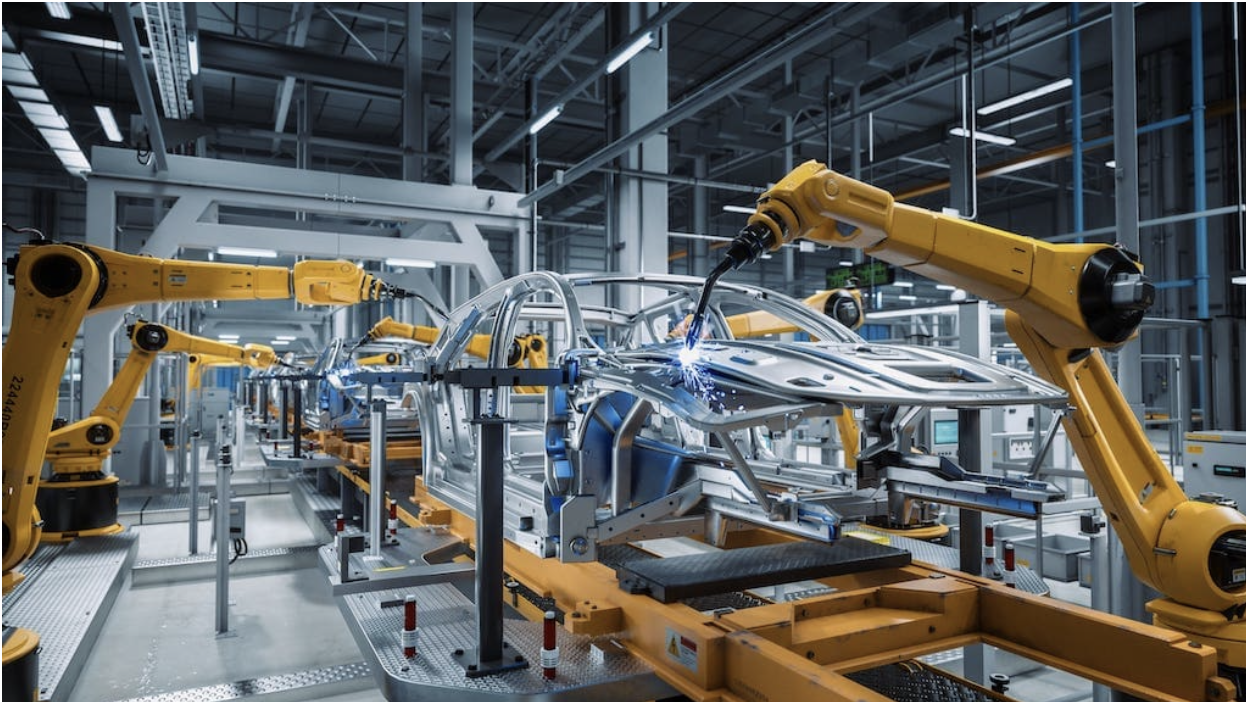

If you’ve ever wondered what the future of manufacturing looks like, picture smart machines, whirring robot arms, ultra-efficient production lines, fewer mistakes and faster output. When you study robotics and automation, you’re stepping into a revolution that’s reshaping how things are made. If you want to be part of that future, the UNIMY Diploma in Robotics & Automation is one way to get started.
Why Robotics Is Reshaping Manufacturing
Efficiency and Productivity on a New Level
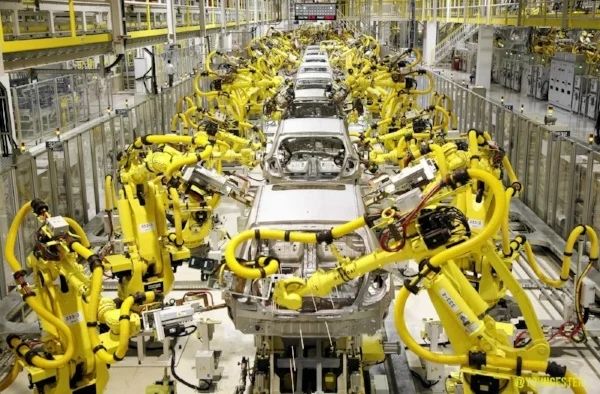
Robots and automated systems aren’t just “cool tech”. They help factories work smarter. They can run 24/7, perform repetitive tasks without tiring and do so with precision. That means production becomes faster, more consistent and less prone to human error, a real advantage in industries where speed and precision matter.
Tackling Labour Shortages, Safety Risks and Costs
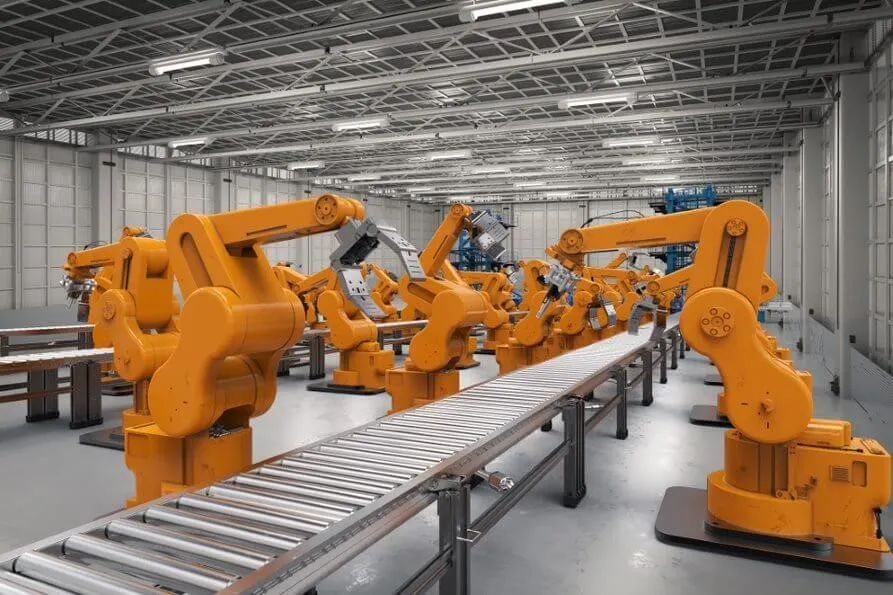
Manufacturing often involves repetitive, heavy or even dangerous tasks. By using robots instead of humans for those jobs, companies reduce risks, cut labour-intensive overheads and improve worker safety, while still getting things done efficiently. This shift means humans can focus on higher-value, creative or supervisory roles instead.
Fueling Innovation and Modern Industry (Hello, Industry 4.0)
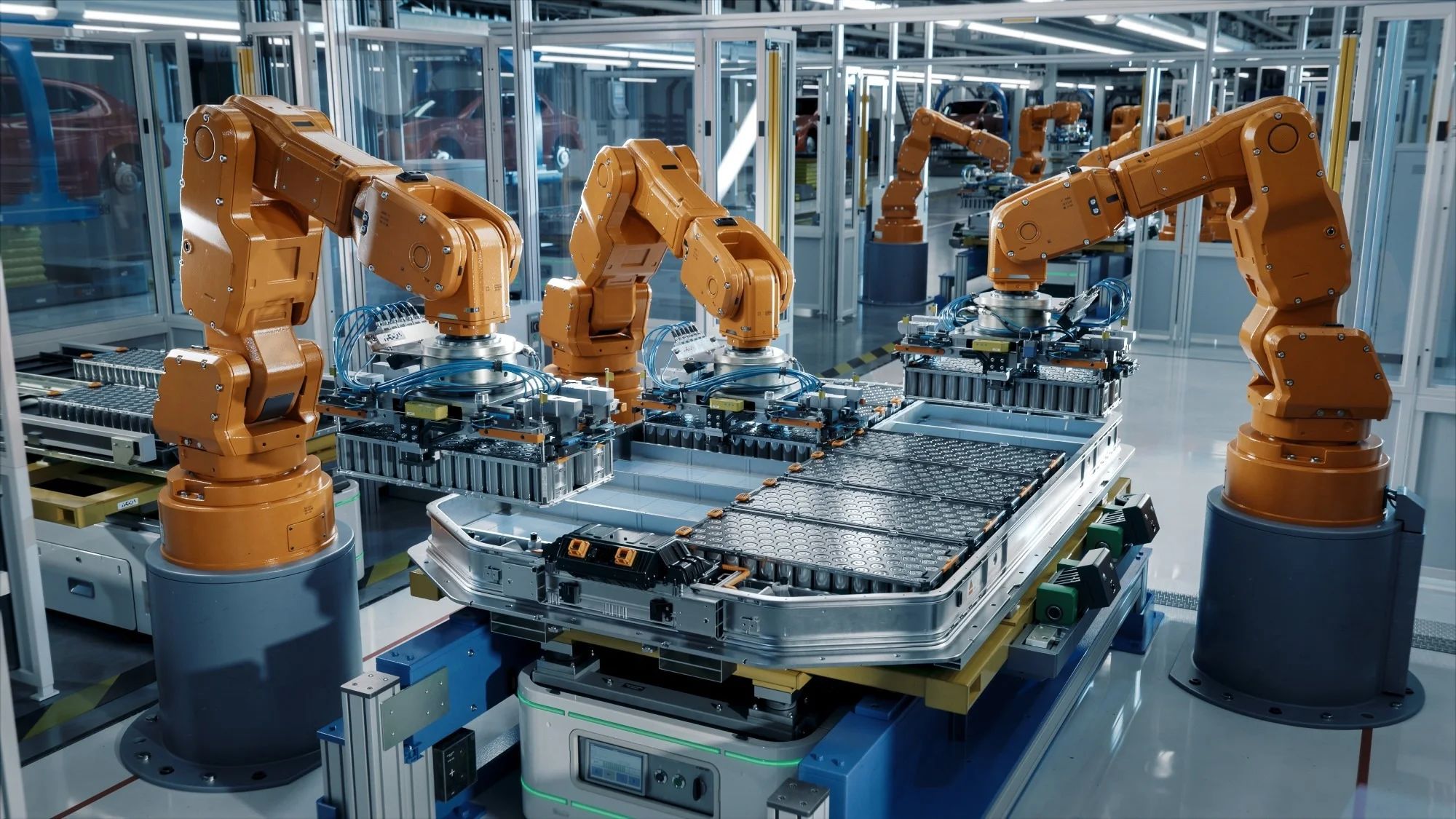
Modern robotics isn’t only mechanical. It involves embedded systems, sensors, automation logic, microcontrollers and smart control systems. As manufacturing becomes more digitally integrated - with IoT, smart factories, real-time data and automation, robotics becomes central. That’s a big reason why robotics and automation are at the heart of the ongoing industrial transformation.
What You Could Do After Graduation
With robotics and automation skills, you’re not bound to a single job. Instead, there are many promising paths, especially in manufacturing and industry:
- Robotics & Automation Engineer — design and build robot systems, automate production processes and maintain automated lines.
- Embedded Systems / IoT Systems Specialist — work on hardware and software integration for smart devices, industrial controllers and embedded systems.
- AI / Hardware Engineer (for automation hardware) — design hardware components that support automation, robotics and smart manufacturing.
- Digital Circuit / Electronics Designer — create and optimise electronic circuits for robotics, control systems, sensors and automation devices.
Because robotics and automation are applicable worldwide — in manufacturing, logistics, aerospace, smart infrastructure, your skills will remain relevant for years to come.
Is Robotics Right for You?
Consider robotics if you:
- Enjoy building or programming things — robots aren’t just mechanical; they involve coding, control systems, electronics and smart thinking;
- Like solving problems, designing systems or tinkering — real robotics work often involves figuring out how complex systems fit together, how to make them work reliably, safely and efficiently;
- Are interested in future-oriented, industrial innovation — as factories and industries modernise, robotics specialists are increasingly in demand;
- Want hands-on work and impact — unlike purely theoretical jobs, robotics gives you visible, tangible outcomes: machines you build, systems you deploy.
If this sounds like you, UNIMY’s Diploma in Robotics & Automation could be a smart first step.
Robotics is about how we produce, build, manufacture — faster, safer, smarter. It’s about human creativity fused with engineering, electronics and software. And as industries globally shift toward automation, robotics becomes a backbone of modern manufacturing and technology.
References
https://www.unimy.edu.my/courses/diploma-in-robotics-automation/




 Built with Shorthand