
How AR Is Transforming Retail
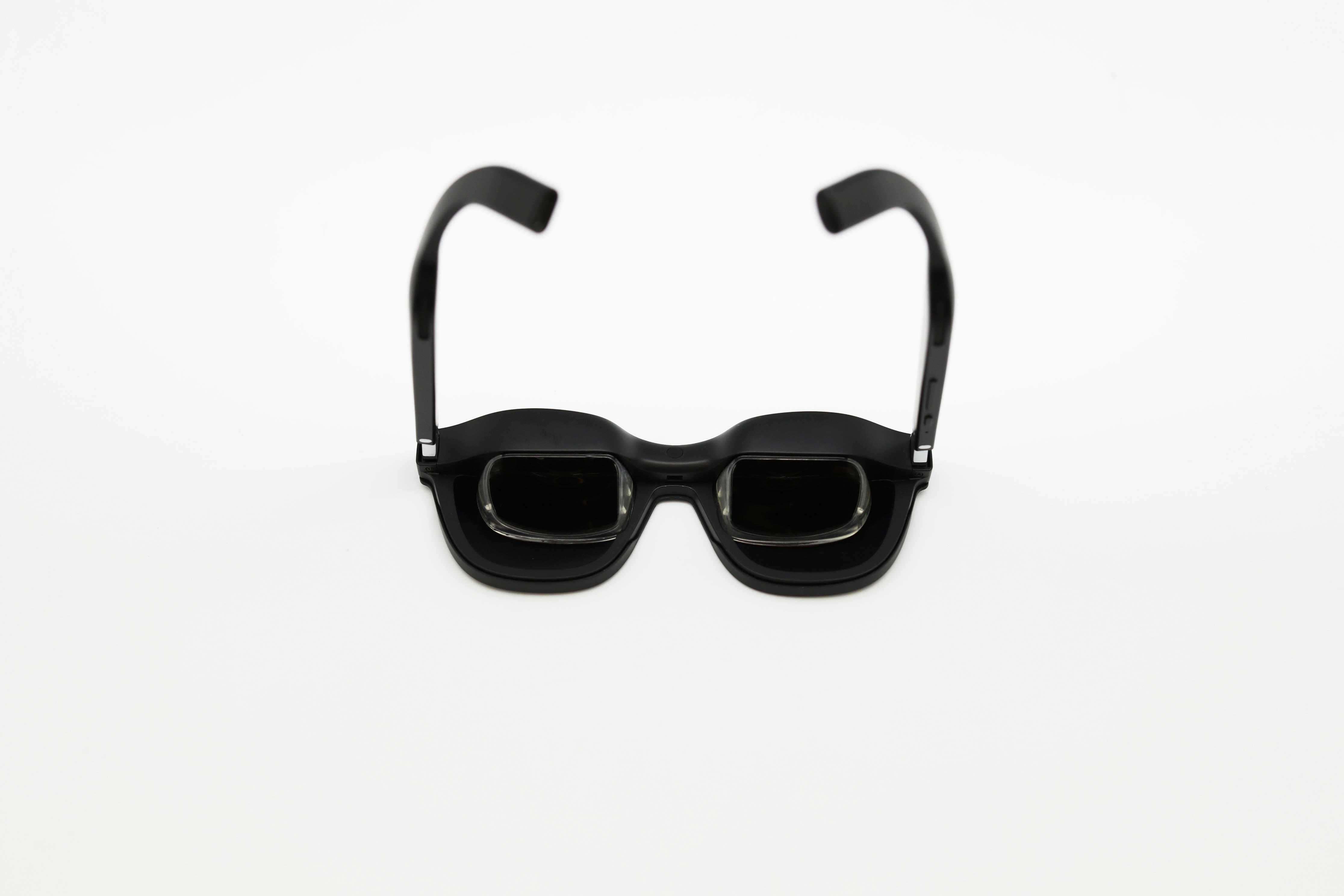
Imagine walking into a shop, or browsing online, and being able to see how a sofa would look in your living room or how sunglasses would suit your face, all before committing to buy.
That’s the power of Augmented Reality (AR) and it’s increasingly reshaping the world of retail, and understanding this shift could give you a sharp edge.
What AR Brings to Retail Today
AR is not just a gimmick. Used wisely, it gives customers, that could be you, a far more immersive, confident and satisfying shopping experience. Some of the major benefits retailers and shoppers are already enjoying:
- Virtual try-ons and visualisations: AR allows you to try clothing, accessories, eyewear or even makeup virtually, using your phone or a store’s AR mirror, before you buy. That helps remove much of the guesswork.
- Product visualisation in real environments: Thinking of buying furniture or home décor? AR can show how a piece fits and looks in your actual home — its size, style, colour, giving you confidence in what you’re buying.
- Personalised and engaging shopping: AR can enable customisation of products — colours, patterns, configurations, enabling a more tailored shopping experience. That fosters stronger connection and loyalty between you and the brand.
- Lower return rates and better purchase confidence: Because AR reduces the uncertainty around fit, size or look, customers tend to return fewer items and feel more satisfied with what they purchase.
- Blending online and offline retail worlds: AR helps bridge the convenience of online shopping with the tangibility of in-store browsing, an increasingly important balance in modern retail.
R isn’t just a novelty. It’s a practical tool that enhances trust, personalisation, convenience and overall shopping satisfaction.
Trends & Numbers Behind the AR Retail Revolution
AR’s impact on retail isn’t anecdotal. It’s backed by data and growing consumer demand:
- According to one survey, 71% of shoppers said they would shop more often if retailers offered AR experiences.
- Around 58% of shoppers who used AR while shopping felt it improved their experience.
- Retailers adopting AR have seen increased conversion rates and reduced returns, as AR helps shoppers make more confident, informed decisions.
- In a market increasingly driven by experience, AR gives brands a competitive edge, differentiating them from those relying solely on traditional images or descriptions.
What This Means if You’re Studying Business
- You’ll see how technology, consumer behaviour and retail strategy intersect, relevant when analysing consumer trends, marketing strategies or retail management.
- Modules around marketing, consumer behaviour or business strategy can gain new depth when you understand real-world applications like AR in retail.
- As future business professionals, you could envisage opportunities. Whether working for established retailers, advising e-commerce startups or even launching your own business, AR gives a modern competitive advantage.
Challenges & Considerations
Of course, implementing AR isn’t without its hurdles. Some of the challenges retailers (and thus you as a business student or operator) need to watch:
- Technology limitations & user adoption: Not all shoppers may have devices compatible or be comfortable using AR. Retailers need to ensure usability and reliability.
- Cost and implementation complexity: Building AR experiences, whether virtual try-ons or room visualisers, requires investment in software, 3D models and maintenance.
- Overcoming scepticism: Some customers may still prefer seeing and touching products physically. AR needs to enhance, not replace, good old-fashioned trust in brands.
- Need for seamless integration: AR should complement the overall retail experience, from inventory management to customer support, to generate real value.
These are critical for you to understand, especially if you plan to work in retail management, consulting or launch an AR-based retail venture.
Looking Ahead: AR + Retail = What’s Next?
The momentum behind AR in retail shows no sign of slowing. As smartphones become more powerful, 3D modelling becomes more affordable and consumer expectations evolve, AR could soon become standard rather than edgy.
For you, whether as a business student or an aspiring business leader, it means one thing: being aware, adaptable and forward-looking matters. Understanding AR’s potential, and its limits, could help you design retail strategies that combine technology, human touch and business acumen.




 Built with Shorthand