Short-Form Video Revolution
How TikTok, Reels, and Shorts Are Reshaping Digital Culture and Marketing
By Nash Nithi

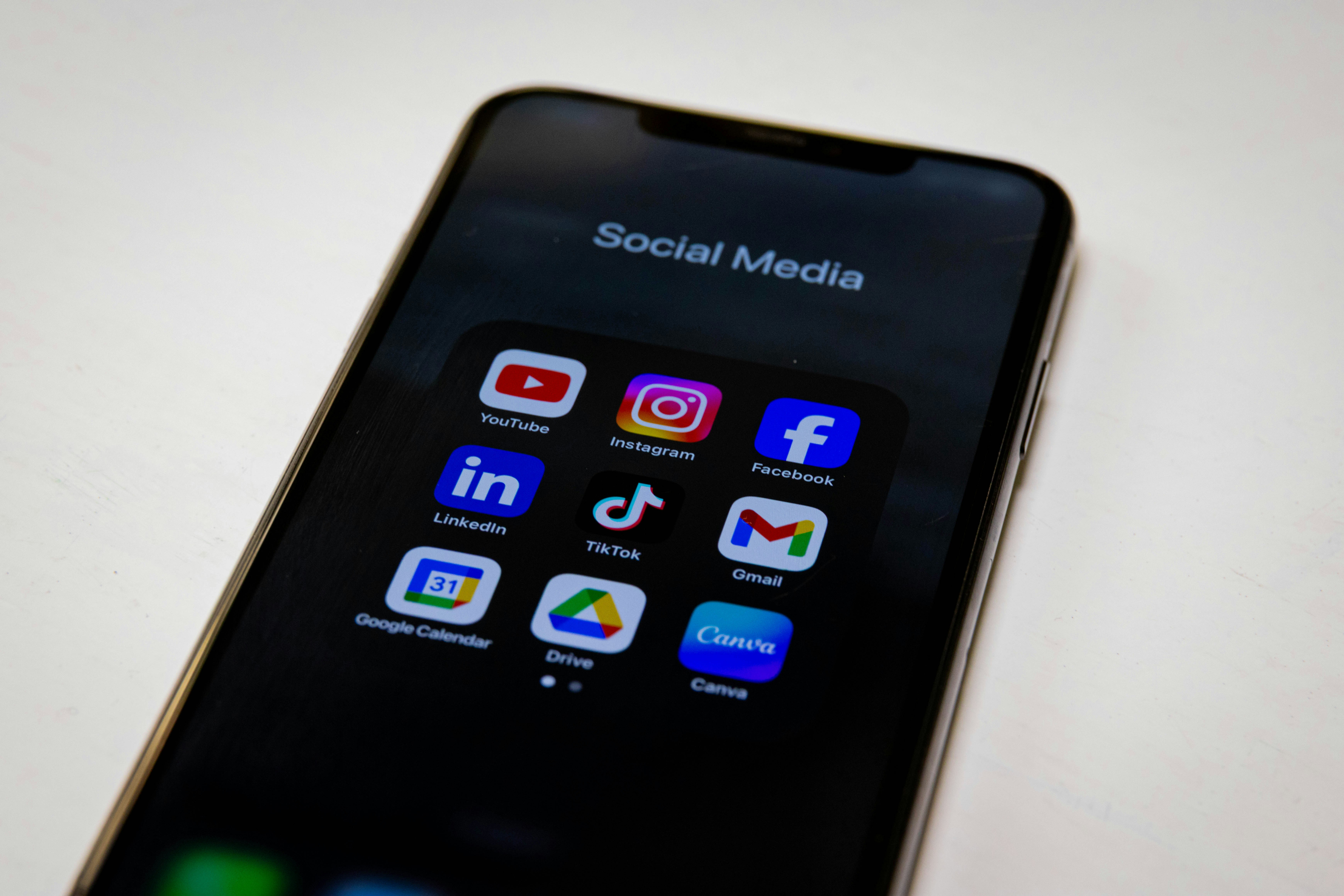
Platform Mechanics: Understanding TikTok, Reels, and Shorts
Three platforms. One fundamental principle: brevity breeds virality.
TikTok pioneered the 15-60 second format as a creative constraint, not a limitation. Instagram Reels borrowed the blueprint to compete, while YouTube Shorts extended the timeline to 60 seconds while maintaining the vertical, mobile-first design. Each platform serves billions, yet the core mechanics remain identical: hook viewers in the first second, sustain attention through visual rhythm, and end with either a call-to-action, a cultural moment, or a question that begs engagement.
For marketing students, the key insight is this: these platforms are engineered for discovery, not following. Unlike Facebook's feed (which prioritises your friends) or YouTube's subscriptions (which rely on channels you've chosen), TikTok, Reels, and Shorts use AI algorithms to surface content from creators you've never heard of. This means a student brand manager with one viral video can reach millions overnight, but only if the content speaks the language of the algorithm and the culture.


The First Second: Capturing Attention in an Attention Economy
On short-form platforms, the first second is everything. It's your hook, your pitch, your only chance to stop a thumb from scrolling past.
Viral short-form content doesn't rely on clever editing or expensive production. Instead, it uses visual novelty and emotional resonance. A creator might open with a surprising visual (a color contrast, unexpected movement, or a question posed to the viewer), or lead with the most compelling moment rather than building narrative tension. This violates traditional storytelling rules but respects the platform's logic: people decide within milliseconds whether to continue watching.
For brand strategists, this means abandoning the familiar "product reveal at the end" approach. Instead, show benefit, emotion, or cultural relevance immediately. A makeup brand doesn't lead with a logo; it leads with transformation. A fitness brand doesn't open on equipment; it opens on energy and confidence.
The platform rewards creators who understand vertical video's unique language—close-ups, text overlays, quick cuts, and sound design. Each frame is designed for mobile viewing, where a 6-inch screen dominates the viewer's attention. Mastering this grammar is essential for any digital marketer hoping to craft native, engaging content.


Authenticity Wins: Why Raw Beats Polished
A TikTok made on a phone camera with natural lighting often outperforms a professionally shot Instagram ad with identical messaging.
The short-form video audience has developed an acute sensitivity to inauthenticity. Overly produced content, corporate jargon, and heavy-handed selling feel out of place on platforms built for peer-to-peer sharing. The most effective brand content mirrors the style and tone of user-generated content—casual, conversational, sometimes imperfect.
This doesn't mean brands should abandon professionalism; it means finding the sweet spot between brand consistency and cultural fluency. A luxury brand can show behind-the-scenes authenticity. A tech startup can use humor and relatability. The goal is to participate in community conversations, not broadcast at audiences.
Understanding this shift is critical for future marketers. Short-form platforms reward brands that listen more than they speak, adapt more than they dictate, and build community identity rather than impose brand identity.


Algorithms: The New Content Gatekeepers
While traditional social media prioritises what you already follow, TikTok, Reels, and Shorts algorithms serve content based on engagement patterns and predicted interest.
Understanding how these algorithms work is essential for content creators and marketers. Each platform uses machine learning to predict whether a viewer will watch, like, comment, or share. The metrics that matter most are:
- Watch time: How long viewers stay on your video. Longer engagement signals quality to the algorithm.
- Repeat plays: If viewers rewatch your video, the algorithm assumes it's valuable and distributes it wider.
- Shares and comments: These indicate high engagement and cultural relevance.
The algorithm doesn't care about follower count. A creator with 100 followers can compete with one with a million if their content has higher engagement. This democratisation is the core reason short-form video has become such a powerful tool for new creators and emerging brands. For students studying marketing, this represents a paradigm shift: reach is no longer dictated by resources, but by resonance.
|
Content Type |
Purpose |
Ideal Duration (seconds) |
|---|---|---|
|
Educational Tip |
Build authority |
15–30 |
|
Trend Participation |
Boost visibility |
10–20 |
|
Behind-the-Scenes |
Humanize brand |
20–45 |
|
Customer Story |
Foster trust |
30–60 |


From Entertainment to Education: Content That Teaches
Short-form video isn't just entertainment. It's rapidly becoming a primary learning channel, especially for Gen Z and younger millennials.
The condensed format forces educators and brands to distill knowledge into its essence. A five-minute lesson becomes a 30-second insight. A product's 50-page manual becomes a three-second demo. This brevity demands clarity and creativity, pushing communicators to rethink how they convey value.
Educational creators on TikTok and YouTube Shorts—from language teachers to coding instructors to financial advisors—have found massive audiences because they make learning feel accessible and fun. For marketing students, this signals a critical shift: the future of brand communication is educational. Teach your audience something, and they'll follow.
As short-form platforms mature, expect them to become hubs for skill-building and knowledge-sharing. Brands that position themselves as educators, rather than mere sellers, will win customer loyalty and market relevance.


Applying Insights to Coursework and Career
For IACT’s Media students, short-form video mastery bridges theory and practice.
It embodies key concepts from consumer psychology, storytelling, and digital strategy. Coursework projects can integrate platform analysis, content creation, and performance evaluation to simulate real-world brand management.
As future strategists, you’ll need to balance creativity with analytics, authenticity with consistency. Understanding short-form ecosystems prepares you to craft campaigns that resonate across cultures and algorithms alike.
The next viral moment isn’t luck. It’s literacy in the language of digital culture. Start experimenting, measure thoughtfully, and let insight guide your storytelling evolution.