Top 5 Digital Boundaries Students Need Before Burnout Hits
Your phone can be a study tool, a calendar, a classroom, a group chat, a distraction machine and a sleep thief, all before lunch. If you do not set boundaries early, college life can turn into one long notification with assignments attached.
1. Stop Letting Group Chats Run Your Life
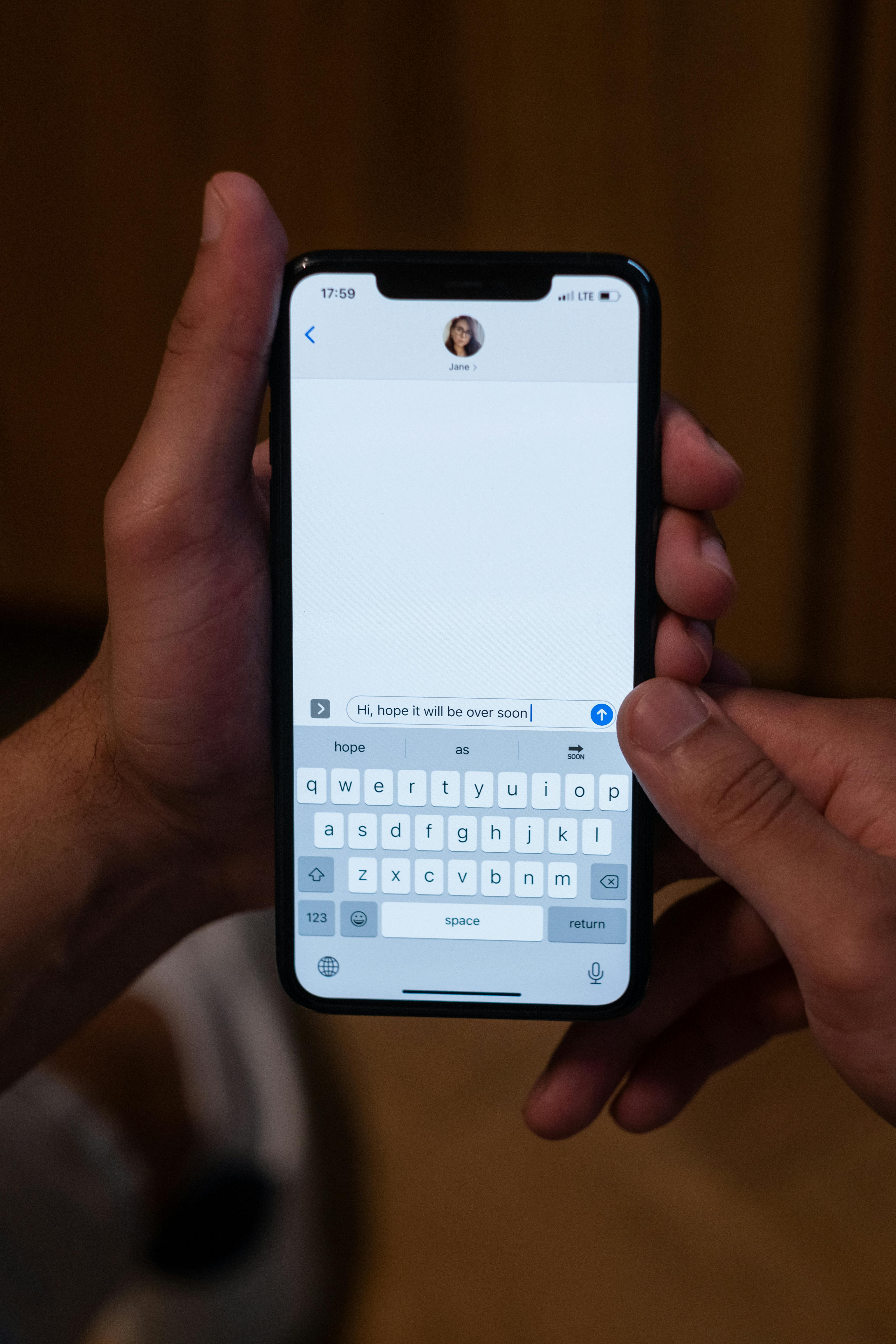
Academic group chats are useful for sharing updates, asking questions and coordinating assignments, but they can also become a constant source of distraction. When every notification feels urgent, it becomes harder to concentrate on the work in front of you.
A simple habit is to check academic group chats at set times during the day instead of responding to every message immediately. Unless something is genuinely urgent, this allows you to stay informed without constantly breaking your focus.
Common Sense Media’s 2023 report found that more than half of participating teens received 237 or more phone notifications per day, showing how easily phones can turn into constant interruption machines (Common Sense Media). College students may not have the exact same pattern, but the problem is familiar: if every ping gets your attention, your attention stops belonging to you.
2. Use “Do Not Disturb” Like a Serious Student
“Do Not Disturb” is one of the simplest productivity tools students often overlook. Using it during lectures, revision sessions, assignment writing or while sleeping reduces unnecessary interruptions and helps you stay focused.
If you are worried about missing important calls, allow selected contacts to bypass the setting while everything else waits until your study session is over. Most messages can wait far longer than we think.
A 2023 study on notification-caused interruptions found that reducing these interruptions can benefit performance and reduce strain (PMC). For students, that means fewer notifications can make studying feel less like trying to read inside a shopping mall.
3. Protect Sleep From Late-Night Scrolling
Many students plan to check their phones for “just five minutes” before bed, only to realise an hour has disappeared. Social media, videos and endless scrolling make it easy to delay sleep without noticing.
Creating a simple nighttime routine can help. Put your phone away 30 to 60 minutes before sleeping, charge it away from your bed where possible and avoid opening new apps once you have decided it is time to sleep.
A 2024 review on social media use, sleep and mental health found evidence linking social media use with poorer sleep and mental health outcomes, especially where use affects sleep timing and quality (PMC). This matters because tired students do not only feel sleepy. They focus worse, remember less and become emotionally dramatic over minor inconveniences. Suddenly, one difficult paragraph feels like a personal attack.
4. Separate Study Apps From Entertainment Apps
When study apps and entertainment apps compete for your attention on the same screen, distractions become much harder to resist. Every time you unlock your phone to check lecture notes, social media and games are only one tap away.
A simple solution is to organise your devices more intentionally. Keep learning platforms, calendars, notes and cloud storage easy to access, while moving entertainment apps into folders or secondary screens. You do not need to remove them completely—you simply want to make distractions slightly less convenient.
This does not require deleting everything fun. That would be unrealistic and honestly a little joyless. The goal is to add friction. If an app is harder to reach, you get one extra second to ask, “Am I opening this because I need it, or because my assignment hurt my feelings?”
5. Schedule Offline Time Before Your Brain Forces It
Digital boundaries should be part of your routine, not something you think about only after feeling exhausted. Scheduling regular offline time helps your mind recover from constant notifications and screen time.
This could be a walk after class, dinner without your phone, a gym session, a screen-free hour before bed or simply planning your week with pen and paper. The activity itself matters less than giving yourself regular breaks from being constantly connected.
Jisc’s 2024/25 higher education digital experience survey focuses on how students experience digital learning environments, showing that digital tools are now central to student life and institutional planning (JISC). Since digital learning is already part of college, students need habits that help them use technology without being swallowed by it.

The Takeaway
Digital technology is an important part of student life, but constant connectivity should not control your time or attention.
Setting simple boundaries—such as limiting group chat interruptions, using Do Not Disturb, protecting your sleep, organising your apps and scheduling offline time—can help you study more effectively while reducing unnecessary stress. Your phone should support your education, not compete with it.
More for You
The Law Career Guide: Corporate Governance Specialist

How to Talk About Your Skills When You Don’t Have Much Experience...

How to Become the Student Lecturers Actually Remember for the Right Reasons

The Soft Skills Students Keep Saying They Have, But Rarely Prove