Top 5 Campus Opportunities Students Ignore Until It’s Too Late
The best parts of college are not always printed on your timetable. Sometimes they are the talks you skipped, the club you almost joined, the competition poster you walked past and the lecturer you never asked for feedback.
1. Guest Talks That Seem “Optional”
The word “optional” has destroyed many good opportunities. Students see a guest talk, industry sharing session or career forum and think, “If attendance is not compulsory, I am free.”
Technically true. Strategically questionable.
Guest talks give students the opportunity to hear directly from people working in the industry. They offer practical insights that often go beyond textbooks, helping students understand how different careers, workplaces and industries actually operate.
Whether it is a lawyer explaining compliance, an entrepreneur sharing how they built a business or a hotel manager discussing guest experience, these sessions help students connect classroom learning with the realities of the workplace. They also give students better questions to ask during interviews, networking sessions and even in class. You do not need to attend every talk on campus. But if a speaker is connected to your course, future career or industry interest, showing up is usually worth more than another hour of pretending to study while scrolling.

2. Clubs That Build Actual Skills
Some students avoid clubs because they think clubs are only for socialising. That is like saying a gym is only for mirrors. Yes, some people treat it that way, but there is more going on.
A club can help students practise leadership, budgeting, event planning, public speaking, design, content creation, sponsorship outreach, teamwork and conflict management. If you join a committee, you may help organise events, manage registration, contact vendors, design posters or promote activities online.
NACE defines career readiness through competencies such as communication, teamwork, leadership, professionalism, technology and career self-development. (NACE) Student clubs can give students low-risk ways to practise those skills before they have to prove them during an internship.
The trick is to do more than just “be a member.” Attend meetings. Volunteer for tasks. Keep evidence of what you contributed. “Helped organise a 120-person student event” sounds much stronger than “joined club, received WhatsApp messages.”
3. Competitions You Assume Are for Other People
Many students dismiss competitions because they assume they are only for the smartest students or those with more experience. As a result, they miss opportunities to challenge themselves, develop new skills and build confidence outside the classroom. Case competitions, debate tournaments, business pitches, hackathons, design challenges, writing contests and entrepreneurship competitions can feel intimidating at first.
But competitions are useful because they force students to work under pressure. You may need to research quickly, present clearly, defend an idea, build a prototype, write persuasively or solve a problem with limited time. That experience is hard to recreate through normal assignments.
AAC&U identifies high-impact educational practices such as collaborative assignments, undergraduate research, service learning, internships, capstone projects and other engaged learning experiences as practices linked to deeper student learning. (AAC&U) Competitions are not always listed exactly the same way, but many give students similar benefits: teamwork, applied problem-solving, feedback and a finished piece of work.
Even if you do not win, you can still walk away with a project, a story for interviews and proof that you tried something outside the syllabus. Losing with evidence is still more useful than never joining and preserving your imaginary undefeated record.
4. Volunteering at Campus Events
Volunteering at campus events may seem like a small responsibility, but it often provides valuable hands-on experience. Whether you are managing registrations, assisting speakers, guiding guests or supporting event logistics, every task helps you develop practical workplace skills.
Students who volunteer at campus events learn how to deal with people, solve small problems quickly and stay useful when things get messy. A guest cannot find the room. The QR code does not scan. The speaker arrives early. Someone forgot the extension cable, because of course they did.
These moments teach calm, communication and initiative. They also help students meet staff, lecturers, seniors and industry guests without the awkwardness of “networking” as a formal activity.
For students in events, hospitality, media, business, education or communications, campus volunteering can become early portfolio material. Take note of what you did, what the event was, how many people attended and what problem you helped solve.
5. Asking Lecturers for Feedback Before It Matters
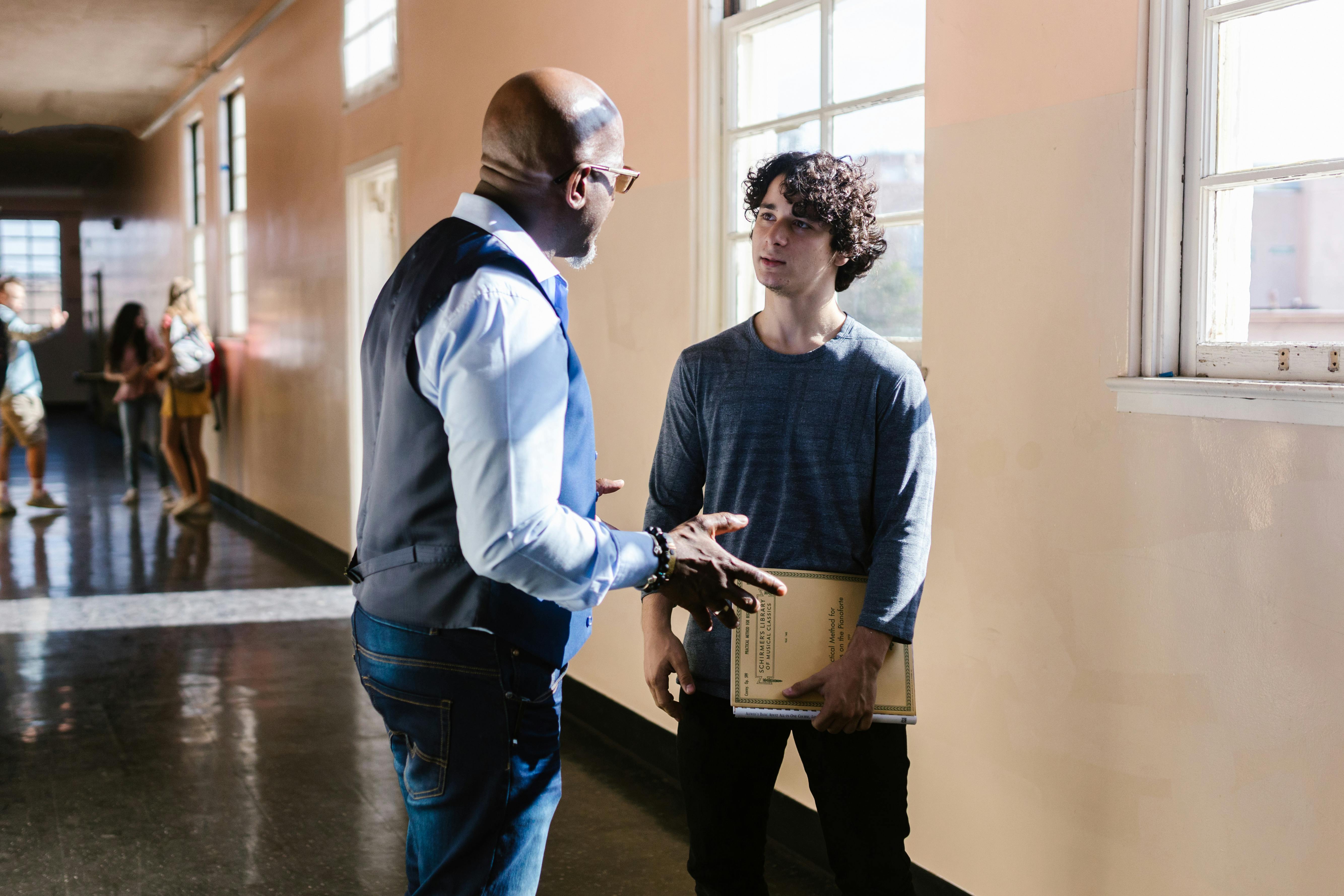
Many students wait until they receive disappointing marks before approaching their lecturers for advice. By then, the opportunity to improve that particular assignment has already passed. Seeking feedback earlier allows students to strengthen their work before it is submitted and develop better academic habits over time.
Lecturers can give feedback before the assignment is submitted, before the presentation happens or before your final-year project becomes a crisis document. Ask specific questions. Do not say, “Is this okay?” That gives the lecturer almost nothing to work with.
Ask better questions: Is my argument clear? Is this source suitable? Does my structure make sense? Is my design too crowded? Have I explained the method properly? What should I improve before submission?
Feedback is also part of career development. NACE’s career-readiness framework includes seeking opportunities to learn, identifying areas for growth and applying feedback as part of career and self-development. (NACE)
Students who learn how to ask for feedback early usually improve faster. Also, lecturers are far more helpful before the disaster than after the disaster has submitted itself online.
The Takeaway
Some of the most valuable parts of college happen outside the classroom. Guest talks, student clubs, competitions, volunteering and lecturer feedback all help students develop practical skills, confidence and professional connections that cannot always be measured by grades alone.
Rather than waiting until your final semester, start taking advantage of these opportunities early. The experiences you build throughout college will not only strengthen your CV but also prepare you more confidently for life after graduation.
More for You
The Law Career Guide: Corporate Governance Specialist

How to Talk About Your Skills When You Don’t Have Much Experience...

How to Become the Student Lecturers Actually Remember for the Right Reasons

The Soft Skills Students Keep Saying They Have, But Rarely Prove