
How AI Is Used in Film & Animation
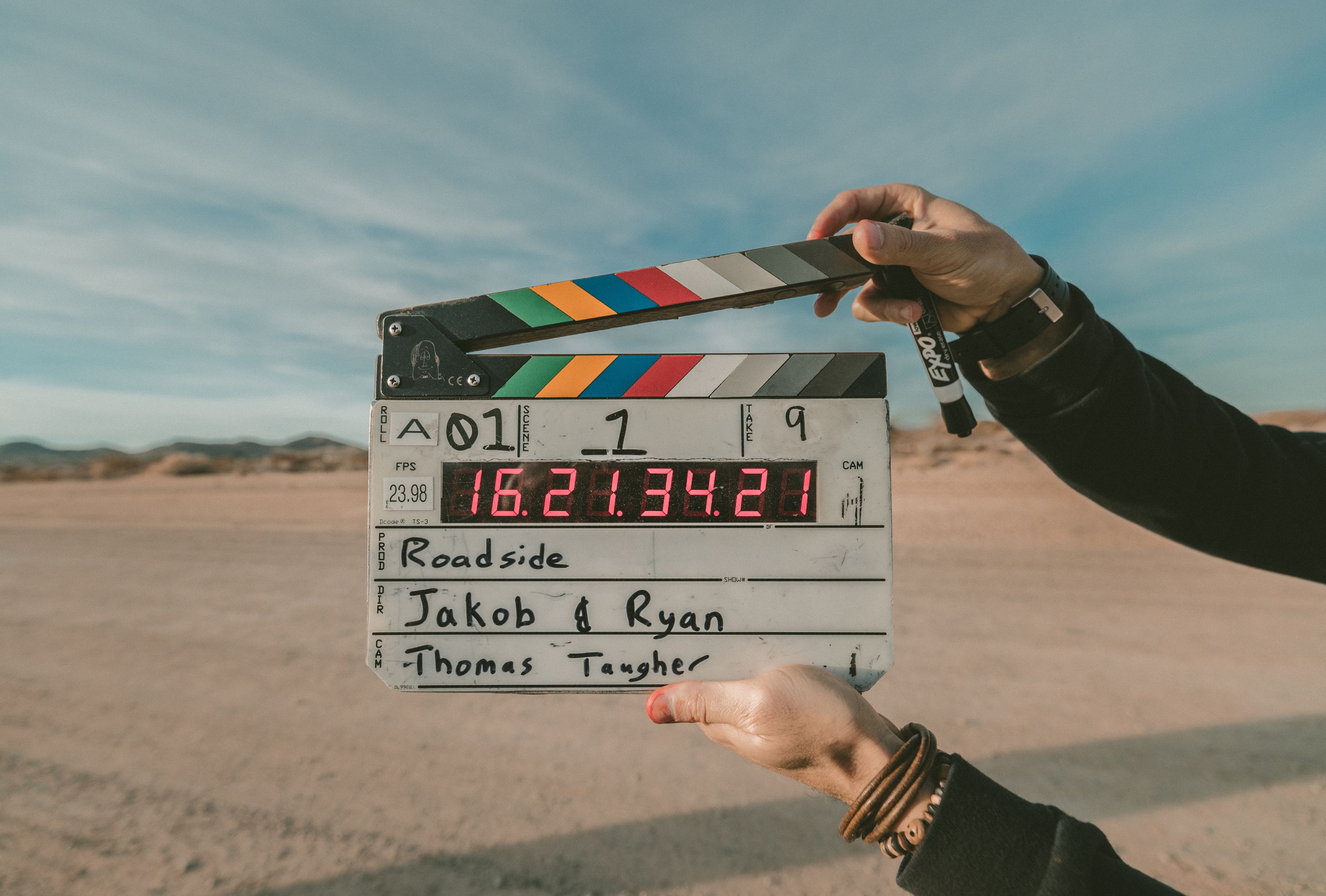

As you peer into the near future of filmmaking and animation, especially in 2026 and beyond, you’re entering a world where artificial intelligence (AI) is no longer optional. It’s rapidly becoming part of the creative, technical and business process. If you’re thinking about studying film, knowing how AI is used will give you a considerable advantage.
Why AI Matters in Film & Animation
Faster, more efficient production pipelines
AI is transforming the traditional, labour-intensive workflows of film production. Modern tools assist with video editing, rotoscoping and visual effects (VFX), tasks that used to require large teams working long hours. For instance, with certain AI-assisted VFX tools, what once took months for multiple artists can now be done in hours.
This acceleration doesn’t just mean faster output. It also creates space for more experimentation, more content and the ability for smaller teams (or independent creators) to produce high-quality work.
AI-assisted creative processes: from script to screen
AI isn't only doing the heavy lifting in post-production. It’s beginning to influence creative decisions too. Scriptwriting tools powered by AI can help draft screenplays, suggest dialogue or outline scene structure. That doesn’t mean AI replaces you, but it can help unlock ideas or overcome creative blocks.
In animation and VFX, AI can assist with generating 2D or 3D character designs, automating keyframe generation, enhancing motion capture data, producing realistic facial animation and even compositing visual effects or environmental elements (e.g. fire, water, background, weather) more efficiently.
Democratising filmmaking — opening doors for smaller studios & indie creators
Because AI reduces the resources needed for production (both time and manpower), smaller studios or individual creators can now produce animations or films that rival more traditional, well-funded productions. The barrier to entry is lowering, which means more voices, more diversity, more creativity.
You aren’t just learning traditional filmmaking, but preparing for a future where AI-augmented production is standard. As tools evolve, it's not just about knowing film. It's about staying adaptive, tech-savvy and ready to learn new workflows.
Cost reduction and more sustainable production models
Producing films today can be expensive: cast, crew, studio rentals, post-production time. AI helps cut those costs in significant ways. By automating repetitive tasks, reducing manual labour, accelerating editing and VFX and even streamlining pre-production (storyboarding, concept art, planning), productions can be leaner and more economically viable.
This cost efficiency can make the difference between a project getting greenlit or remaining a concept. For new filmmakers or independent creatives, that's a major shift.
If You’re Entering Film/Animation Now
- Learn with flexibility: The future of film is hybrid, part human creativity, part AI-assisted. A course that teaches both storytelling and technical production will prepare you best.
- See AI as a collaborator, not a replacement: AI speeds things up, automates tedious tasks and expands creative potential. But human direction, vision and artistry remain essential.
- Expect a shifting job landscape: As more projects use AI, some traditional roles may shrink, but new roles will emerge: AI-literate editors, VFX artists, animators, hybrid content creators. Being versatile will be an asset.
- Get comfortable with continuous learning: The tools will evolve. What’s cutting-edge now may be outdated soon. Being open to learning new software, new workflows, new ways of storytelling will set you apart.
- Independent and small-studio productions become viable: With AI reducing cost and complexity, you don’t need a blockbuster budget to produce quality content. That’s huge if you’re the kind of creative who wants to tell your own stories.
The Big Picture: Film & Animation in the AI Era
The integration of AI into film and animation doesn’t mean the death of creativity. It means its evolution. In the years to come, you might find that more and more films, series, animations, short films and digital content use AI in some part of their pipeline: scripting, editing, VFX, sound design, animation, post-production.
If you step into this world as a well-trained creative (with knowledge in video production, graphics, storytelling, sound and digital media) and stay adaptable, you’re not just keeping up, you’re positioning yourself as part of the future of cinematic storytelling.
If you choose to study at IACT College, you’ll be well equipped to ride this wave.
AI is rewriting what “film and animation production” means. It’s no longer just about large crews, expensive gear and long timelines. It’s about agility, versatility, creativity, and how you combine human vision with technological empowerment.
If you’re serious about filmmaking or animation or considering it as a career, this is an incredibly exciting time. With the right education, the right mindset, and a willingness to learn, you could find yourself at the forefront of a new era of storytelling.
References
https://www.thewrap.com/ai-vfx-production-labor/
https://aiinscreentrade.com/2025/03/18/exploring-the-creative-potential-of-ai-in-animation-and-visual-effects/
https://www.toolify.ai/ai-news/ai-movie-making-revolutionizing-content-creation-in-2025-3802599
https://aiinscreentrade.com/2025/03/18/exploring-the-creative-potential-of-ai-in-animation-and-visual-effects/
https://www.iact.edu.my/iact/diploma-in-broadcasting-film-iact-college-course-modules/


 Built with Shorthand