
How to Start Coding as a Beginner
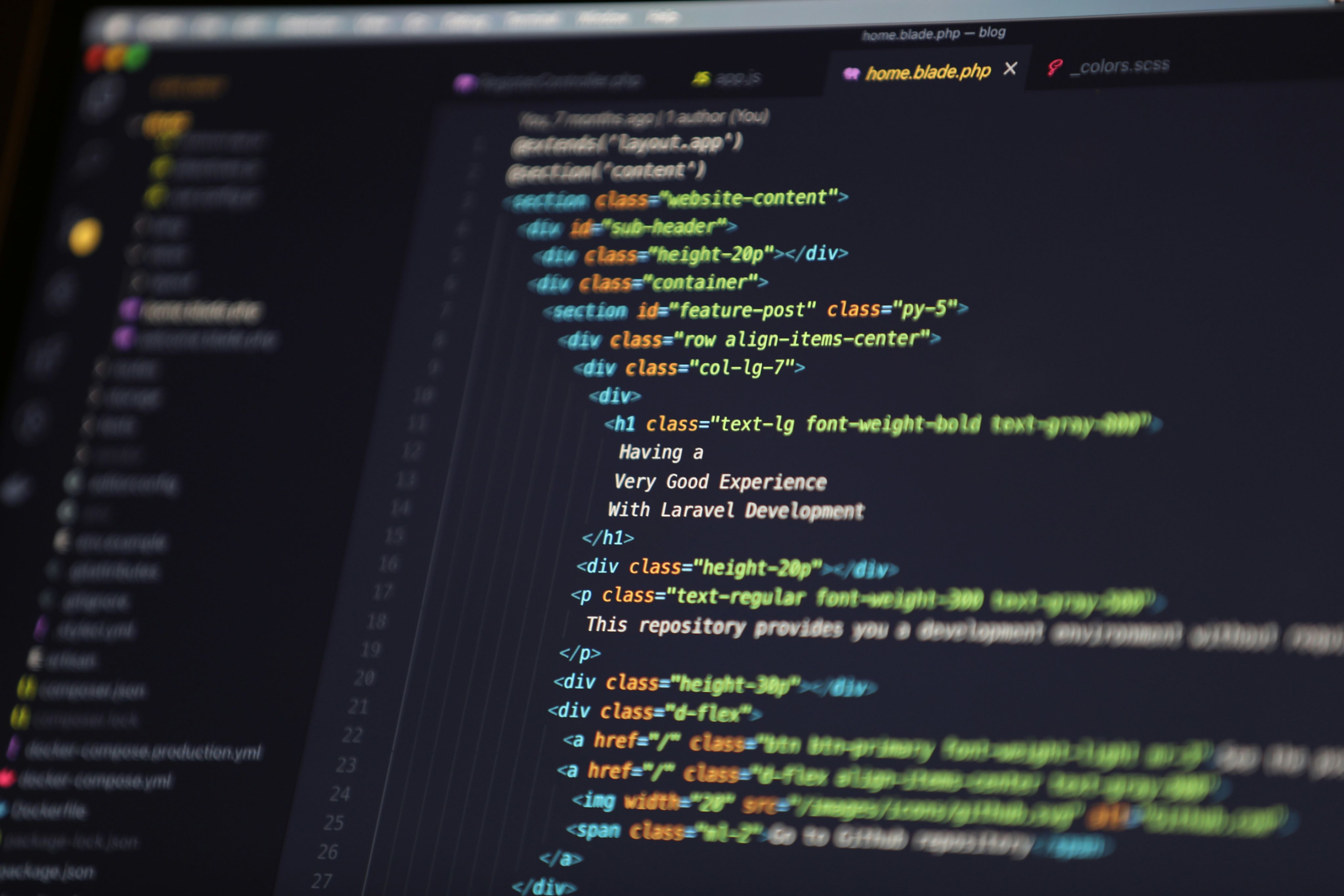

If you’re reading this, you might be curious about coding. Maybe you’ve thought about building a mobile app, automating tasks or simply want to learn a valuable, future-proof skill. Starting to code can seem intimidating, but with the right approach and a little persistence, you can absolutely succeed. And if you like structure and want to turn your interest into a career, University Malaysia of Computer Science and Engineering (UNIMY) might be a good place to consider.
Why Learn to Code, Especially Today
Coding is more than just writing lines of text. It's a tool that helps you solve problems, build things from scratch and understand the digital world around you. In an age where software runs nearly everything (from smartphone apps to backend servers), being able to code gives you flexibility, creativity and a strong skill set many employers value.
For a beginner like you, coding can open doors. You might build your own projects, contribute to open-source, freelance or eventually work in professional software engineering. Because of this demand, a formal qualification from UNIMY can give you a well-rounded foundation.
First Steps for Beginners
Here’s a simple roadmap to help you start coding with confidence:
Pick a beginner-friendly language
Try languages that are widely used and easier to pick up — many people recommend starting with Python or JavaScript because their syntax tends to be more forgiving. If you prefer structure, C++ or Java might be options, but they come with more complexity.
Start small. Build simple projects
Don’t aim to build a full system right away. Try small projects: A “to-do list” app, a simple calculator, a webpage form. Small wins help you build confidence and understanding of basic concepts like variables, loops and functions.
Practice consistency, not intensity
Rather than coding for many hours once in a while, code a bit every day (or most days) — even 20–30 minutes helps. Consistent exposure helps you internalise concepts gradually without burning out.
Learn fundamentals: Data structures, algorithms, logic
As you progress, understanding basics like data structures (lists, arrays, trees), algorithms and problem-solving logic becomes important. These fundamentals make learning more advanced coding much easier.
Use available resources: Online tutorials, community, courses
Start with free resources: tutorials, interactive exercises, coding challenges. As you grow, consider enrolling in a structured programme or taking formal classes to deepen your knowledge.
Don’t be afraid to ask for help and collaborate
It’s common to hit walls and feel stuck. That’s part of the process. Reach out to online communities, peers or mentors. Collaboration, code review and pair-programming can accelerate learning.
How UNIMY Supports Beginners
If you choose to study at UNIMY, their Software Engineering degree gives you a comprehensive, structured path from beginner to industry-ready developer.
Among the Key Modules you’ll study are:
- Programming Techniques — basic programming concepts using languages like C/C++, covering data types, control flow, functions, arrays, pointers.
- Object-Oriented Programming (OOP) — learning OOP paradigm (e.g. in Java), which helps you build modular, maintainable code.
- Database Systems & Systems Development — understanding how software interacts with databases; building real systems rather than toy projects.
- Data Structures & Algorithms — essential for efficient coding, problem-solving and scalable application development.
- Software Engineering & Software Project Management — learn the full development lifecycle: planning, designing, testing, delivering and maintaining software. This is invaluable for real-world coding projects.
- Mobile Software Engineering / Mobile Device Programming — gives you hands-on experience in building mobile apps, increasingly relevant in today’s world.
- Software Testing & Quality Assurance; Formal Methods; Service-Oriented Architecture — for building reliable, secure and maintainable software — a step beyond just “writing code”.
Because the curriculum spans from foundational programming to advanced system design and project management, it’s well-suited even if you start with little or no prior coding knowledge.
Additionally, UNIMY emphasises practical skills: hands-on training, workshops and industry projects, so you're not just learning theory, but also real-world application and teamwork.
What It Takes: Mindset, Skills and Attitude
Starting coding is as much about mindset as technical skill. Here’s what helps:
- Patience and persistence — you’ll hit bugs, make mistakes and sometimes feel frustrated. That’s normal. Keep going.
- Curiosity and problem-solving attitude — treat coding like solving puzzles. When you encounter errors, break down the problem and approach it step by step.
- Willingness to learn and adapt — technology changes fast. New languages, frameworks and tools come up regularly. Be open to learning as you go.
- Collaborative spirit & communication — coding often involves teamwork, code reviews, documentation. Being able to communicate clearly is as important as writing good code.
Turning Coding Into a Career
If you follow through, either self-learning or via a formal qualification at UNIMY, coding can open many doors:
- You might work as a Software Developer (web, mobile, backend), full-stack developer or mobile app developer.
- With experience, you could become a Software Architect, handling system design, scalability and architecture decisions.
- You might specialise in areas like database management, networked systems, security or even AI — depending on what you enjoy.
- You could take on project management or DevOps roles — bridging coding, deployment, operations and teamwork.
- If you enjoy building products from scratch: you could be a freelancer, startup co-founder or build your own software projects or businesses.
In short, coding gives you a foundation and your interests will steer your direction.
Starting coding doesn’t have to be scary. If you take it step by step, stay curious, practice consistently, learn fundamentals and be open to guidance, you’ll be surprised by how far you can go. And if you like structure, stability and want to turn coding into a proper career, UNIMY’s Bachelor of Software Engineering (Hons) offers a clear, comprehensive path.
References
https://www.unimy.edu.my/unimy/bachelor-of-software-engineering-hons/








 Built with Shorthand