
Robotics in Daily Life
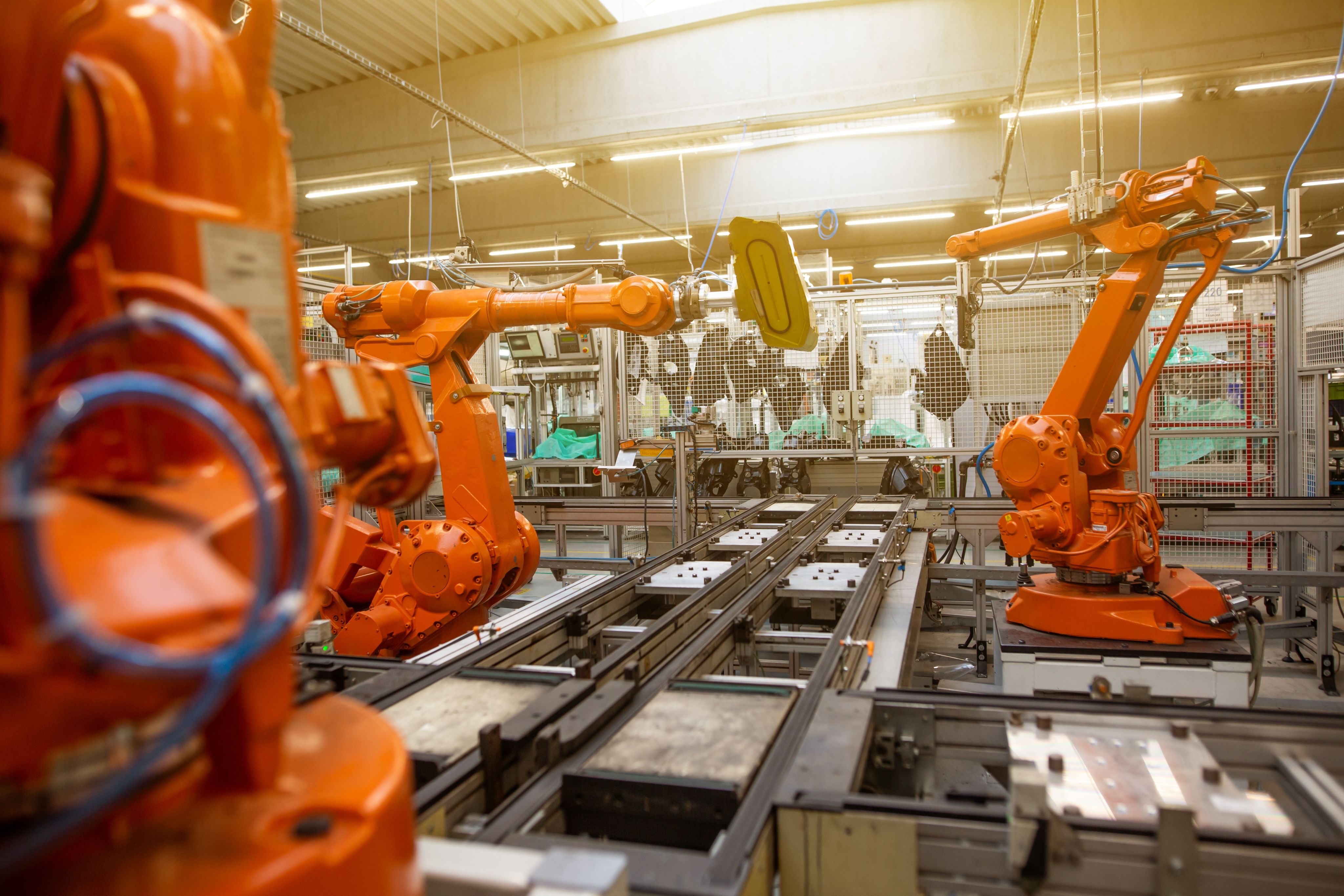

Imagine waking up and your coffee is ready, your smart vacuum has already cleaned the living room and even your garden is being tended by little wheeled helpers. Sounds futuristic? Well, robotics isn’t just something you see in sci‑fi films anymore. It’s steadily weaving into your daily life, making everyday tasks smoother, safer and often more fun.
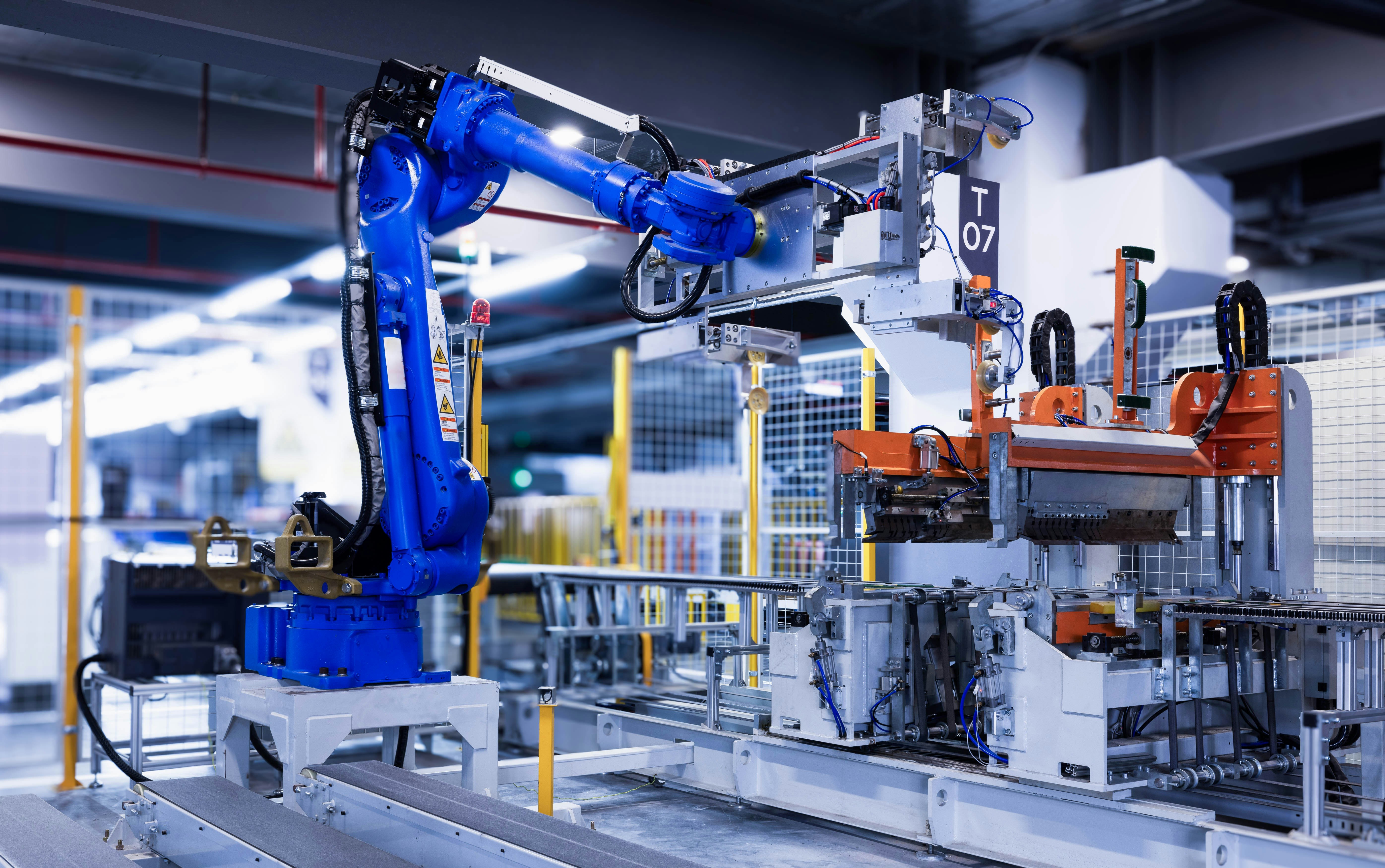
From robots in factories working tirelessly on production lines to smart assistants in homes that help with chores or keep an eye on your security, robotics has become increasingly relevant. In fact, as industries evolve with automation and artificial intelligence, the demand for people who understand how these intelligent machines work is climbing fast.
If you’ve ever wondered what it would be like to be part of that shift, or how robots really affect your everyday life, you’re in the right place.
What You See Every Day (Even Without Noticing)
You might already be interacting with robotics more than you think. Some of the most common daily examples include:
- Smart home devices that automate lighting, climate and security systems,
- Robot vacuums and lawn mowers that keep your space tidy with minimal effort from you,
- Warehouse robots that help companies like Amazon streamline deliveries and reduce physical strain on workers, improving safety and productivity.
- Healthcare robots that can assist surgeries or help care for the elderly, increasing precision and offering support where people need it most.
These kinds of robots bring efficiency and convenience into your world, and allow you to spend more time on the things that matter most to you.
Studying Robotics: A Path to Shaping That Future
You might be thinking: How can I be part of this exciting world?
One solid stepping stone is the UNIMY Diploma in Robotics & Automation. This programme is designed to equip you with the skills and knowledge you need to thrive in a tech‑driven era.
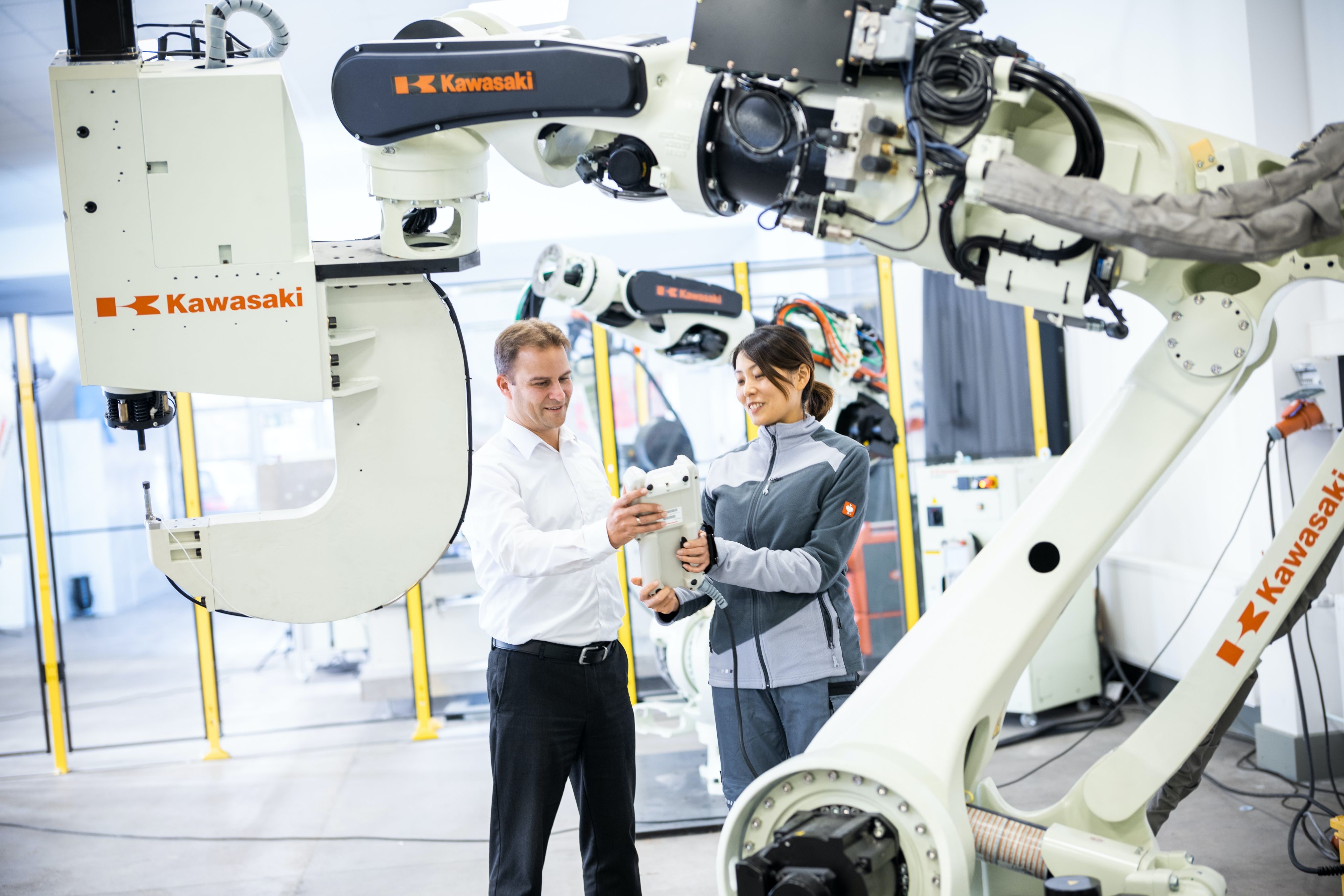
This diploma blends practical training and theory so you learn by doing. Just as engineers do in the real world, you’ll work with tools such as industrial robot arms, microcontrollers and automation systems while being taught by industry experts.
Some of the modules you’ll dive into include:
- Introduction to Computing and C++ Programming — laying the groundwork for logic and problem‑solving skills,
- Python Programming — a language widely used in robotics and AI projects,
- Robotics Technology — understanding the building blocks of robotic systems,
- Smart Automation Technology — learning how machines interact intelligently with environments,
- Sensors & Actuators — the ‘eyes and muscles’ of robots,
- Micro Controller Programming – Embedded Systems — crucial for building intelligent systems that respond to the world around them, and
- Final Year Project — where you combine everything you’ve learned into a hands‑on solution.
These modules mirror the skills needed in industries that are rapidly adopting robotic solutions, from manufacturing and logistics to healthcare and IoT‑enabled smart environments.
Why This Matters to You
By choosing a path in robotics and automation, you’re not just studying machines. You’re learning how to re‑shape the world. Automation is transforming jobs, boosting productivity, and opening doors to careers that weren’t possible just a decade ago.
Whether you dream of designing robotic systems, building smart devices that make homes safer or programming the next generation of assistive robots, your daily life could be the canvas for technologies you helped invent.
So next time you see a robot doing a simple chore, stop and reflect: behind that convenience is a fascinating mix of engineering, programming and imagination, and perhaps, your future career too.
References
https://www.unimy.edu.my/courses/diploma-in-robotics-automation/?utm_source=
https://www.unimy.edu.my/unimy/robotics-automationbuilding-the-smart-future/?utm_source=
https://apnews.com/article/6da0e5ed0273ed15ec43b38b007918df?utm_source=
https://arxiv.org/abs/2503.15987?utm_source=




 Built with Shorthand