
VR in Healthcare
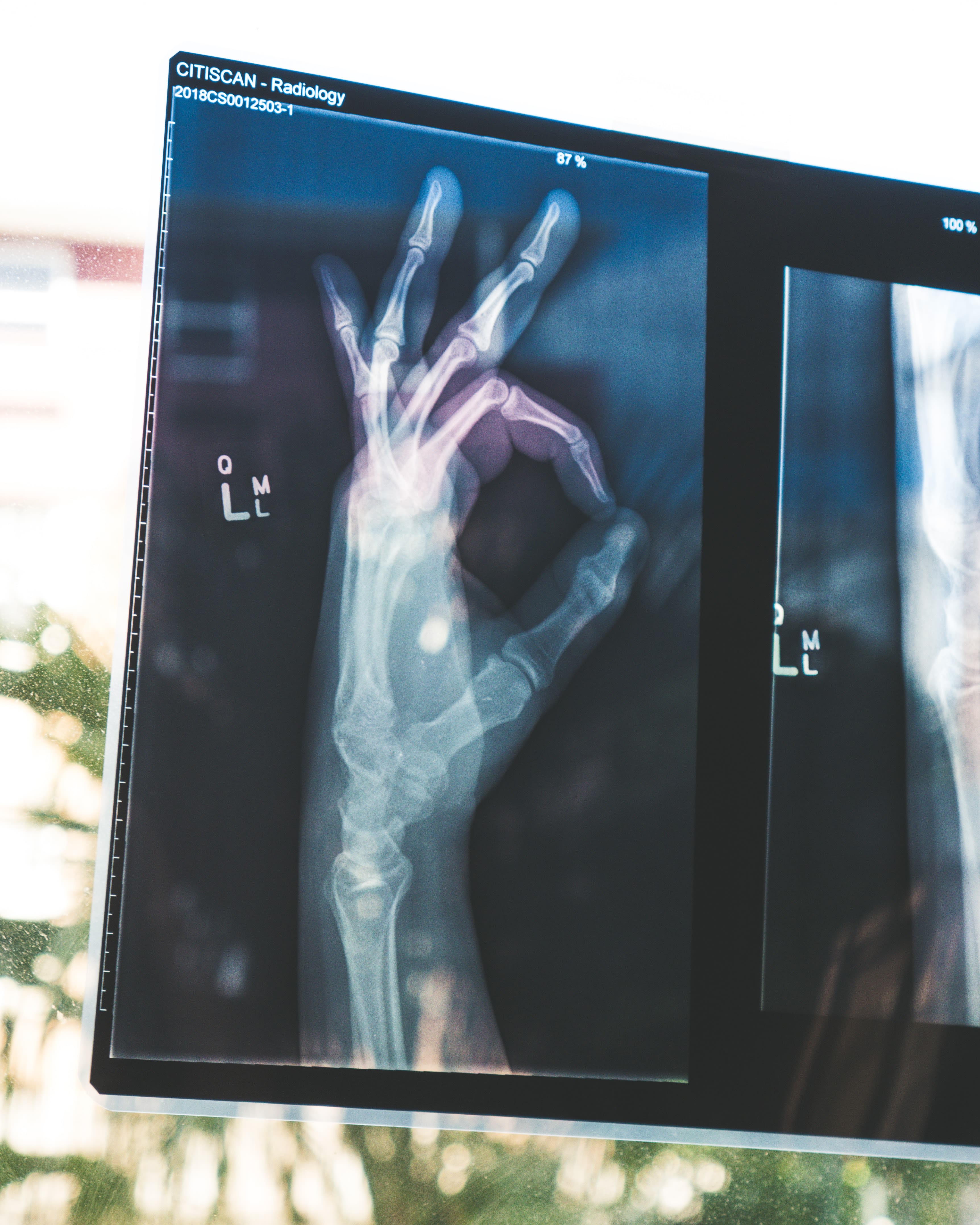

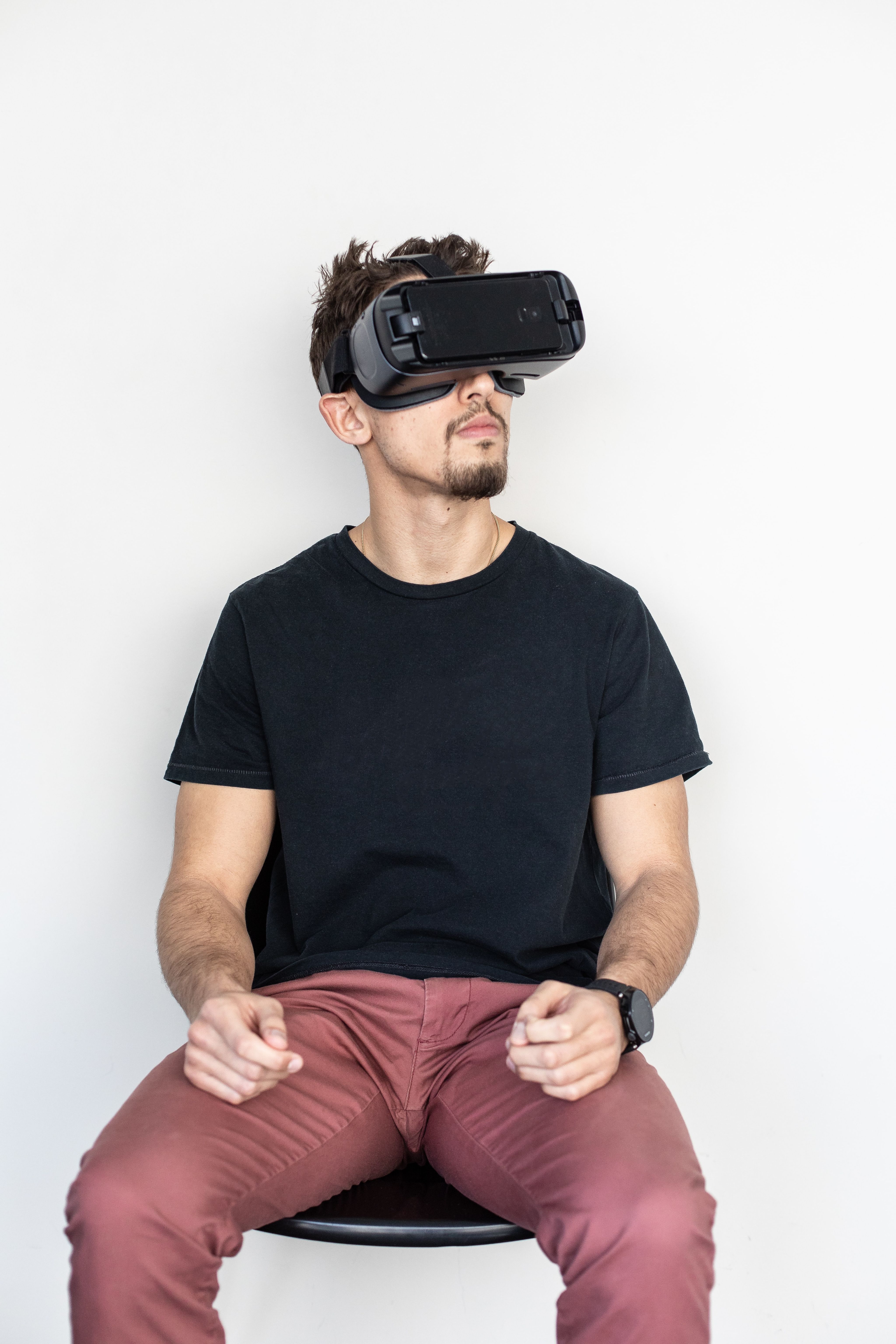
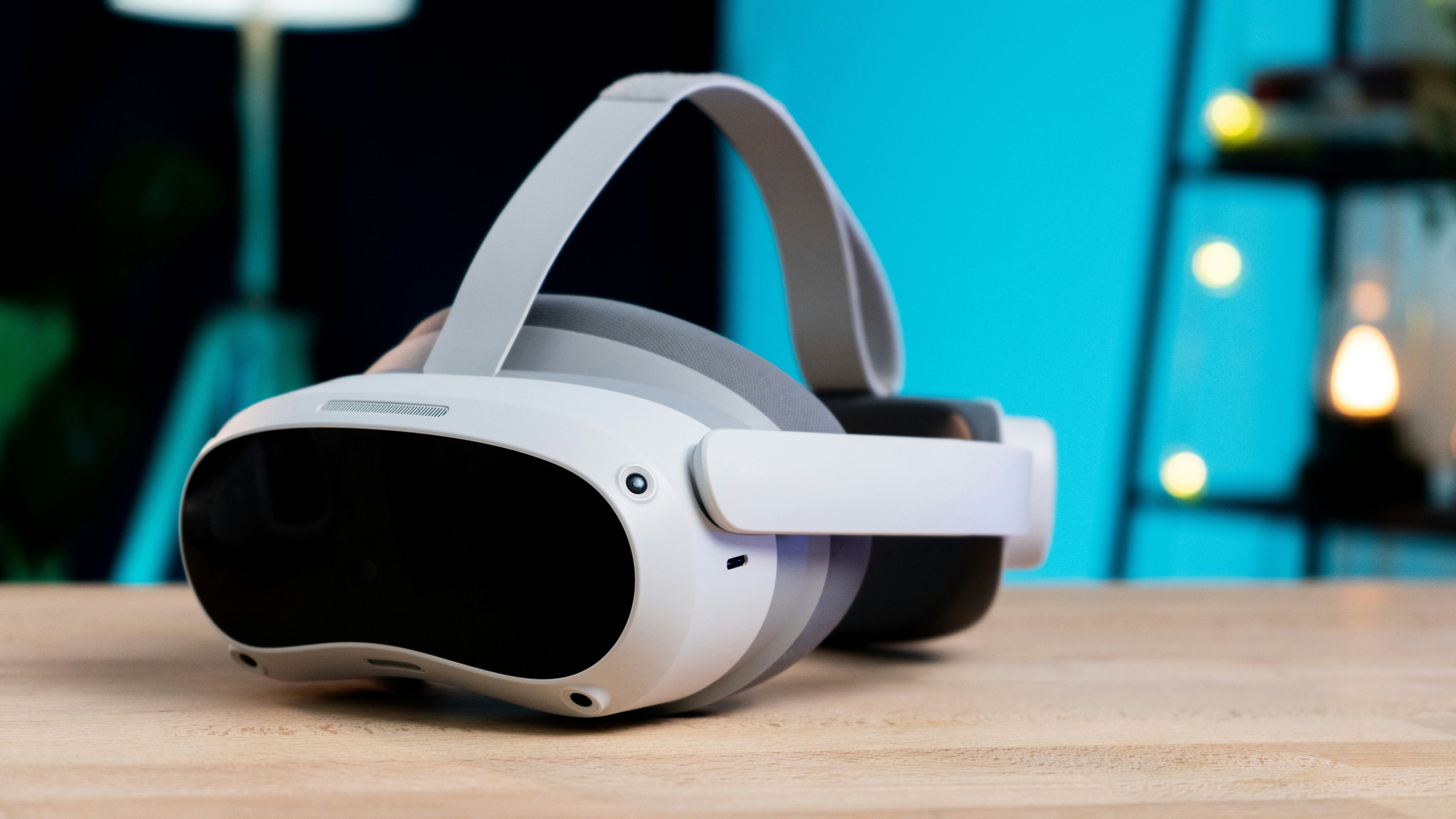
Imagine stepping into a world where healing doesn’t just happen in a hospital bed, but in a fully immersive environment that feels real, yet is entirely virtual. That’s the promise of Virtual Reality (VR) in healthcare, and it’s not some far‑off sci‑fi dream. It’s already transforming medical education, patient care, therapy and much more. This could be part of your future if you’re exploring tech studies like the UNIMY's Master in Computing.
Why VR Matters in Healthcare
VR isn’t just about cool headsets and animated worlds. It’s making healthcare more engaging, safer and accessible in ways that could fundamentally reshape the industry:
Enhanced Medical Training
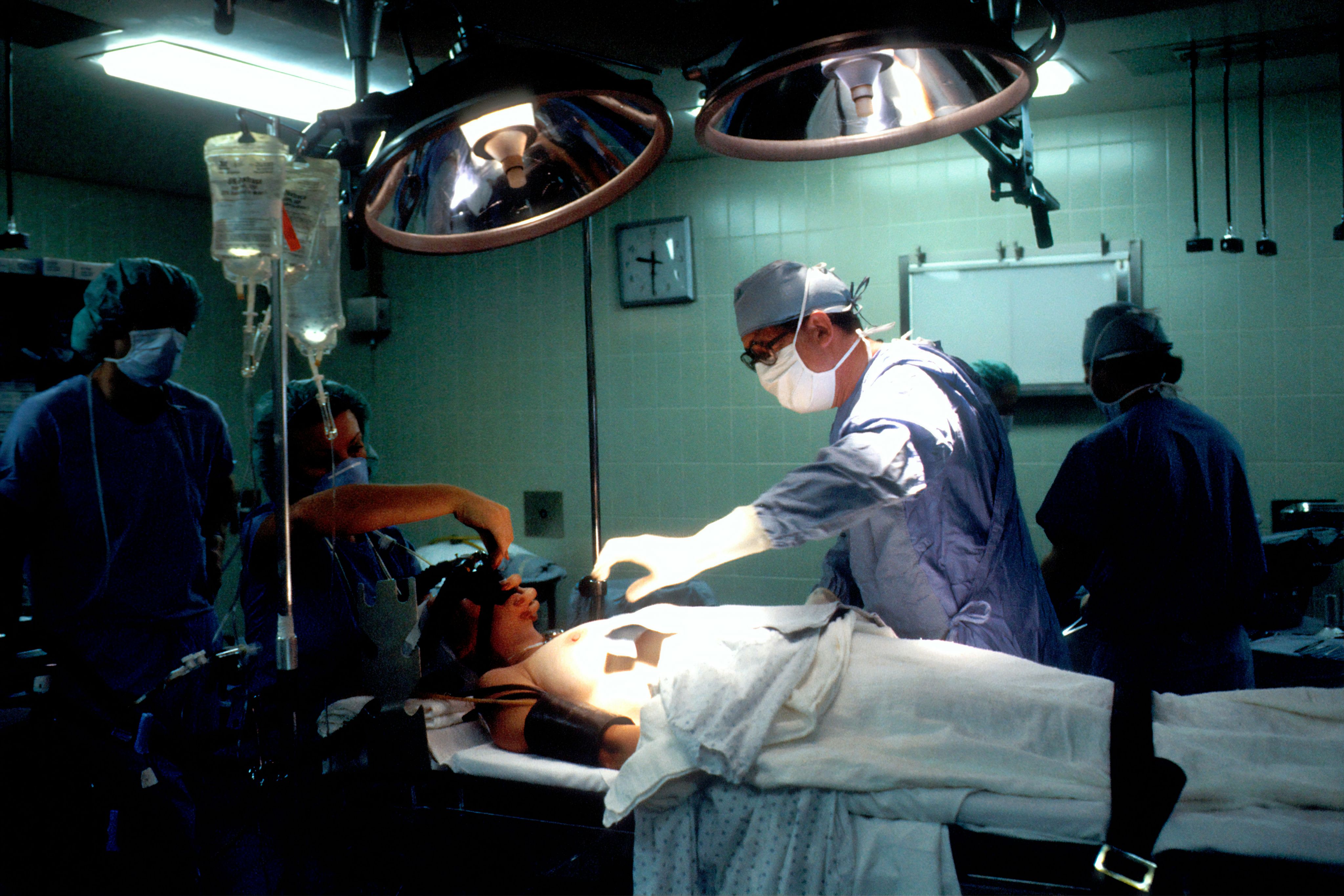
Doctors and surgeons can practise complex procedures in a risk‑free virtual environment. These simulations allow multiple repetitions and help build confidence before operating on real patients. The technology can also assist in emergency preparation and handling unforeseen complications, which is vital in surgical training.
Rehabilitation and Therapy
For patients recovering from strokes or injuries, VR offers engaging physical therapy exercises tailored to individual needs. Gamified VR rehabilitation programmes help keep motivation high and track progress accurately, turning often repetitive routines into something fun and effective.
Mental Health Support
VR has shown success in treating anxiety, phobias, PTSD and stress disorders. By immersing you in controlled scenarios, therapists can design tailored exposure experiences that feel safe yet effective, helping patients gradually overcome hurdles.
Pain Management
Studies show that when patients use VR during painful or anxiety‑inducing procedures, like chemotherapy or wound care, the immersive experience can significantly lower their perception of pain and anxiety, offering a non‑drug alternative.
Remote Healthcare Access
VR also plays a role in telemedicine, breaking geographical barriers so that specialists can consult and guide treatment remotely, making high‑quality care accessible even in underserved regions.
How This Connects to Computing & Your Skills
If you’re thinking about where you fit into this evolving landscape, computing skills are at the heart of it. UNIMY's Master in Computing offers modules and research opportunities that align with these futuristic technologies.
Here’s what you might explore:
- Graphics and Visual Computing — essential for creating realistic virtual environments.
- AR, VR, UI/UX, Game Design and Interactive Apps — directly connected to building the immersive experiences used in healthcare VR.
- Image Processing and Cyber Physical Systems — skills that can power everything from surgical visualisation tools to body‑motion tracking in rehabilitation programmes.
- Artificial Intelligence and Machine Learning — making VR systems adaptive and responsive to each user’s needs.
The programme’s research‑driven approach lets you dive deeper into topics that matter, so you’re not just learning theory, you’re building capabilities that could one day help transform healthcare through technology.
What the Future Holds
VR’s applications in healthcare are still growing, but the potential is enormous. From improving surgical outcomes and rehabilitation to creating powerful tools for mental health and remote care, this technology is reshaping how healthcare is delivered, and you could be a part of that innovation.
References
https://www.unimy.edu.my/unimy/master-in-computing/
https://digitalhealth.folio3.com/blog/virtual-reality-in-healthcare-applications-and-benefits/
https://3dforscience.com/blog/p/10-benefits-of-virtual-reality-in-healthcare/
https://www.alcimed.com/en/insights/virtual-reality-healthcare/




 Built with Shorthand