Why You Freeze in Exams and
What to Do About It


You’ve revised. You knew the content last night. You even explained it perfectly to your friend an hour ago.
Then the exam paper lands in front of you.
Your mind goes blank.
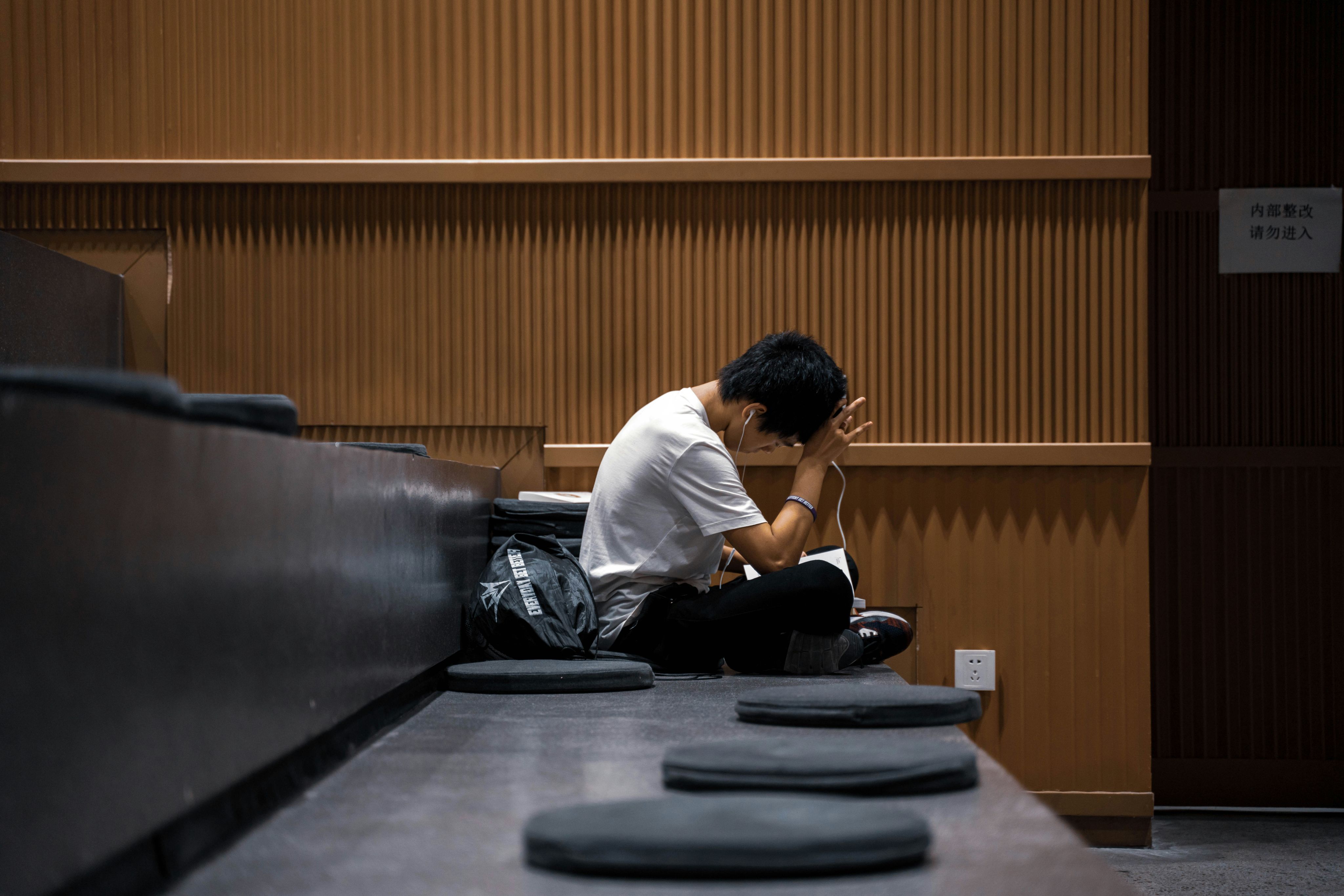
Your heart races. Your palms sweat. The simplest question suddenly looks unfamiliar. And all you can think is, Why am I freezing right now?
If this sounds like you, you’re not failing. Your brain is reacting to pressure. The good news? Once you understand why you freeze in exams, you can train yourself to stay calm and think clearly when it matters most.
What Does “Freezing” in an Exam Actually Mean?
Freezing during exams isn’t about intelligence or preparation. It’s a stress response.
When your brain perceives a situation as threatening, like a high-stakes test, it activates your fight, flight or freeze system. This response is designed to protect you from danger.
The problem? Your brain can’t tell the difference between a tiger and a test paper.
When stress hormones like cortisol and adrenaline flood your system:
- Your heart rate increases
- Your breathing becomes shallow
- Blood flow shifts away from the thinking part of your brain
- Memory retrieval becomes harder
That “blank mind” feeling isn’t laziness. It’s biology.
Why You Freeze in Exams (Even If You Studied)
Let’s break down the most common reasons behind exam anxiety and mental blocks.
1. Performance Pressure
If you’re telling yourself:
- “I must get an A.”
- “If I mess this up, everything’s ruined.”
- “My parents are counting on me.”
You’re turning the exam into a threat instead of a challenge.
The higher the perceived stakes, the stronger the stress response.
2. Fear of Failure
Sometimes freezing isn’t about not knowing the answer. It’s about fearing what the answer represents.
Failure can feel personal. But when you link grades to your identity, your brain interprets the situation as emotional danger.
That’s when it shuts down.
3. Perfectionism
If you believe every answer must be flawless, you’re more likely to overthink.
Perfectionism creates hesitation:
- You doubt your first instinct.
- You rewrite sentences repeatedly.
- You panic if a question looks unfamiliar.
And the longer you overanalyse, the more pressure builds.
4. Over-Cramming and Sleep Deprivation
Late-night revision might feel productive, but lack of sleep reduces:
- Memory recall
- Cognitive flexibility
- Emotional regulation
If your brain is exhausted, it’s far more likely to freeze under pressure.
5. Negative Past Experiences
If you’ve frozen before, your brain remembers.
You walk into the next exam thinking:
- “What if it happens again?”
That anticipation alone can trigger anxiety — even before you open the paper.
Signs You’re About to Freeze (Spot Them Early)
Freezing rarely comes out of nowhere. Watch for early signals:
- Racing thoughts
- Tight chest or shallow breathing
- Sudden self-doubt
- Feeling detached or “spaced out”
- Urge to skip questions immediately
If you catch these signs early, you can interrupt the stress cycle before it peaks.
What to Do When You Freeze in an Exam
Here’s the part that matters most: what you can actually do in the moment.
Reset Your Breathing (It Works Faster Than You Think)
When you freeze, your breathing becomes shallow and rapid. That keeps your brain in panic mode.
Try this:
- Inhale slowly for 4 seconds
- Hold for 4 seconds
- Exhale for 6 seconds
Repeat five times.
Longer exhales signal safety to your nervous system. Within a minute, your thinking becomes clearer.
Start With the Easiest Question
Your brain needs a quick win.
Scan the paper and answer something you’re confident about. Momentum reduces anxiety. Once you’re writing, your mind shifts from panic to problem-solving.
Action beats rumination.
Write Anything You Know
Even bullet points help.
Memory retrieval works like a web — once you pull one thread, others follow. Writing key terms or definitions can unlock full explanations.
Don’t wait for the “perfect” sentence. Start messy.
Reframe the Situation
Instead of:
- “I’m blanking. This is a disaster.”
Tell yourself:
- “This is adrenaline. It will pass.”
- “My brain knows this. I just need a minute.”
Your self-talk shapes your stress response.
Ground Yourself Physically
If panic spikes:
- Press your feet firmly into the floor.
- Notice five things you can see.
- Roll your shoulders slowly.
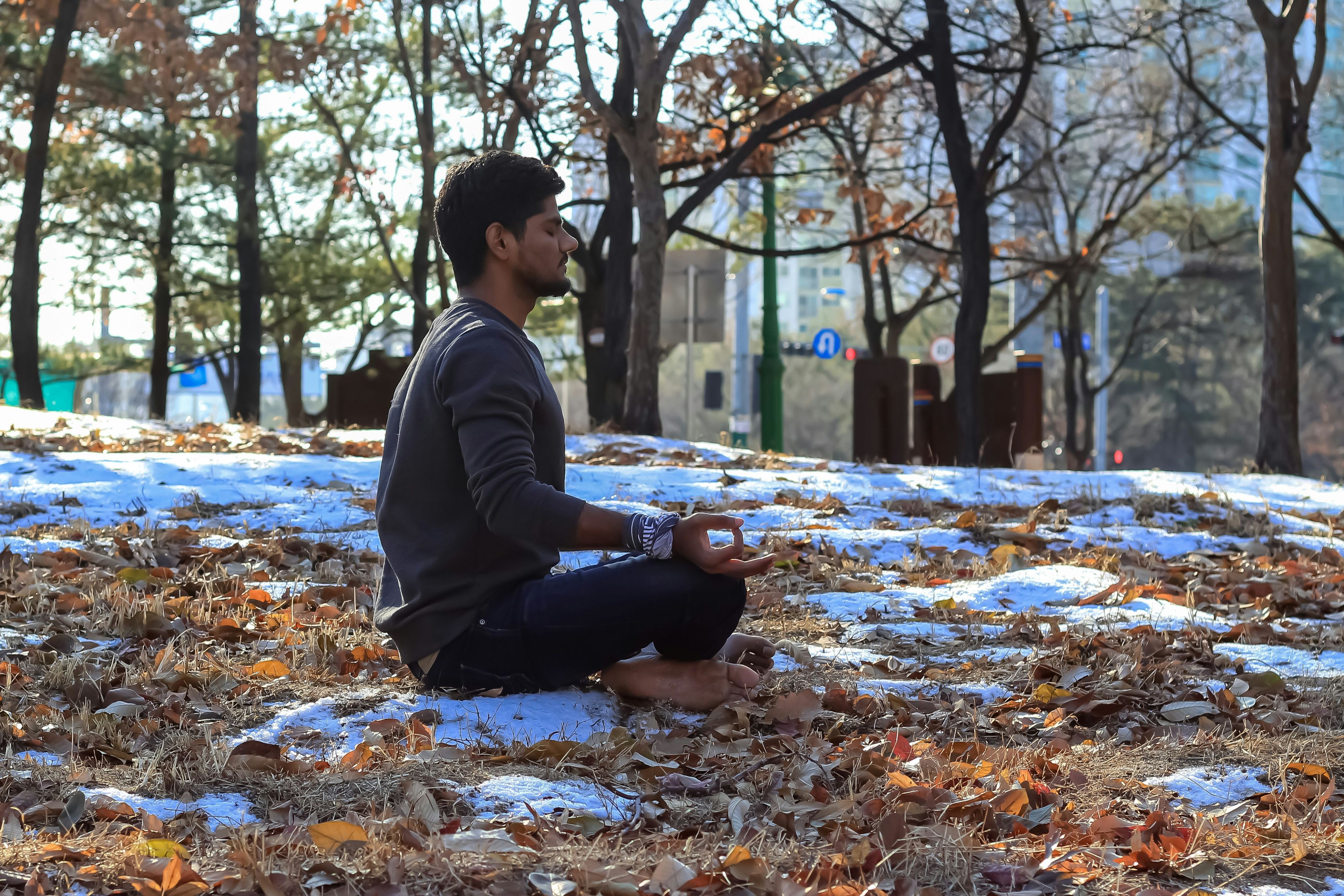
Grounding techniques bring you back into the present moment and reduce overwhelm.
How to Prevent Freezing Before Exam Day
The best strategy is preparation — not just academically, but mentally.
Simulate Exam Conditions
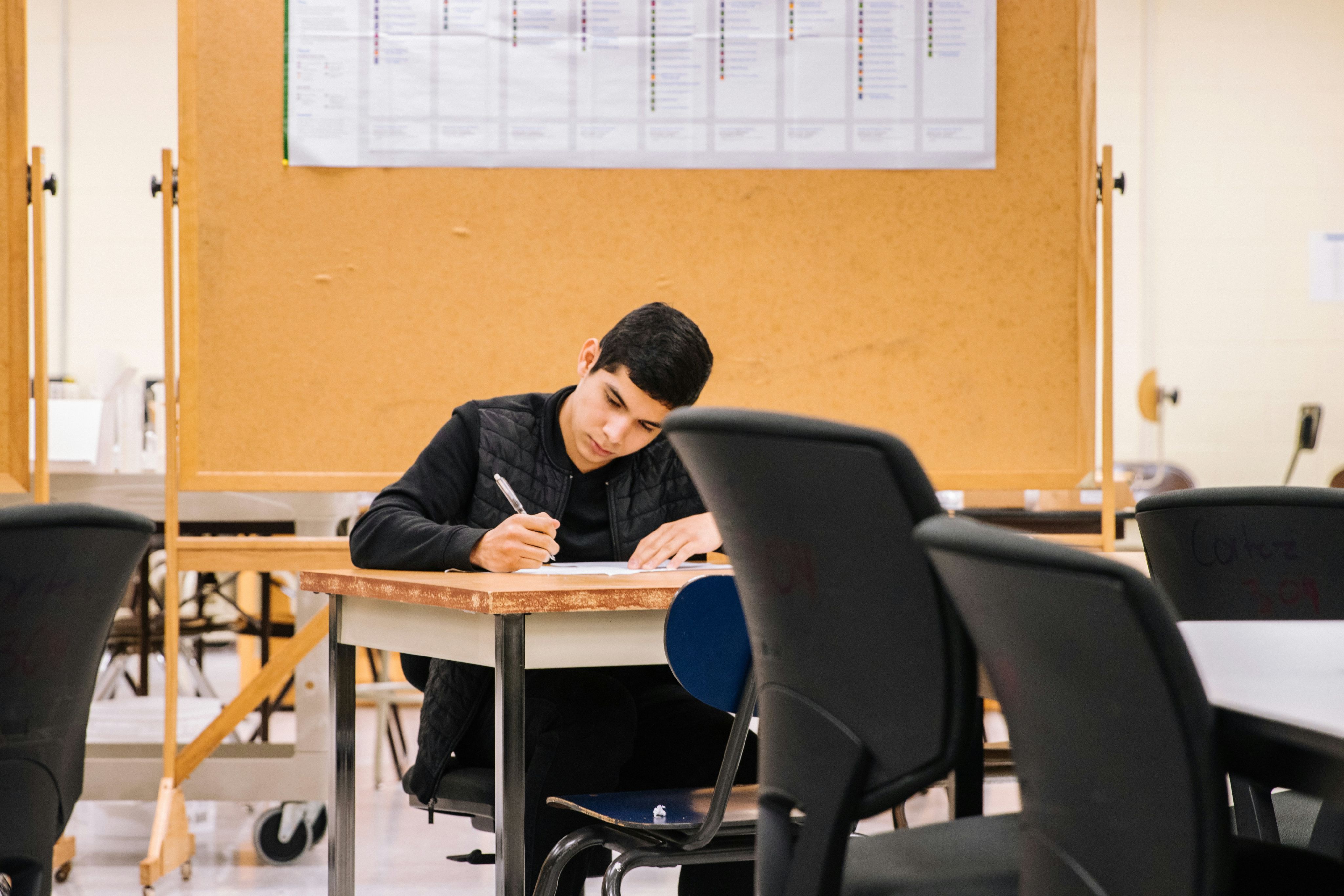
Practise under timed conditions. Sit at a desk. Remove distractions.
The more familiar the environment feels, the less threatening it becomes.
Prioritise Sleep Before Exams
Sleep isn’t optional during exam season — it’s cognitive fuel.
Aim for 7–9 hours, especially the night before. Memory consolidation happens while you sleep.
Use Active Recall, Not Passive Rereading
If you only reread notes, you might feel prepared — but retrieval under pressure becomes harder.
Instead:
- Use flashcards
- Practise past-year papers
- Teach the topic aloud
Train your brain to retrieve information, not just recognise it.
Challenge Catastrophic Thinking
Ask yourself:
- “What’s the realistic worst-case scenario?”
- “Have I handled difficult exams before?”
Most exam fears are exaggerated predictions, not facts.
Separate Your Worth From Your Grades
This is crucial.
You are not your exam results. A grade reflects performance on one day under specific conditions — not your intelligence, character or future potential.
When you detach identity from outcome, pressure decreases.
If Freezing Happens Often
If exam anxiety feels intense, frequent or overwhelming, consider speaking to:
- A school counsellor
- A trusted teacher
- A GP
Exam stress is common, but severe anxiety deserves support. Seeking help is proactive, not dramatic.
Turn Pressure Into Power
Freezing in exams doesn’t mean you’re incapable. It means your brain is reacting to perceived pressure.
Once you understand that:
- You stop blaming yourself.
- You stop panicking about panicking.
- You start responding strategically.
Exams will always come with nerves. That’s normal.
But you don’t have to let stress hijack your performance.
Next time your mind goes blank, remember: it’s not the end of your knowledge. It’s just a moment.
And moments pass.