Crimson Desert: 5 Crucial Lessons for Aspiring Game Devs
By Ts Muhd Syahmie Shabarudin, Ts Raidah Yazid, Nor Rosmiza Wahab
Crimson Desert evolved from the legacy of Black Desert Online and quickly established itself as more than a standard open-world RPG. It showcases a studio confidently delivering its vision and capabilities.
Before diving into specifics, recognize that Crimson Desert offers much more than impressive trailers and cinematic sword fights for aspiring game developers and the teams guiding them. By examining the foundational design philosophies behind the game, you can discover principles worth applying to your own projects as we move into lesson one.
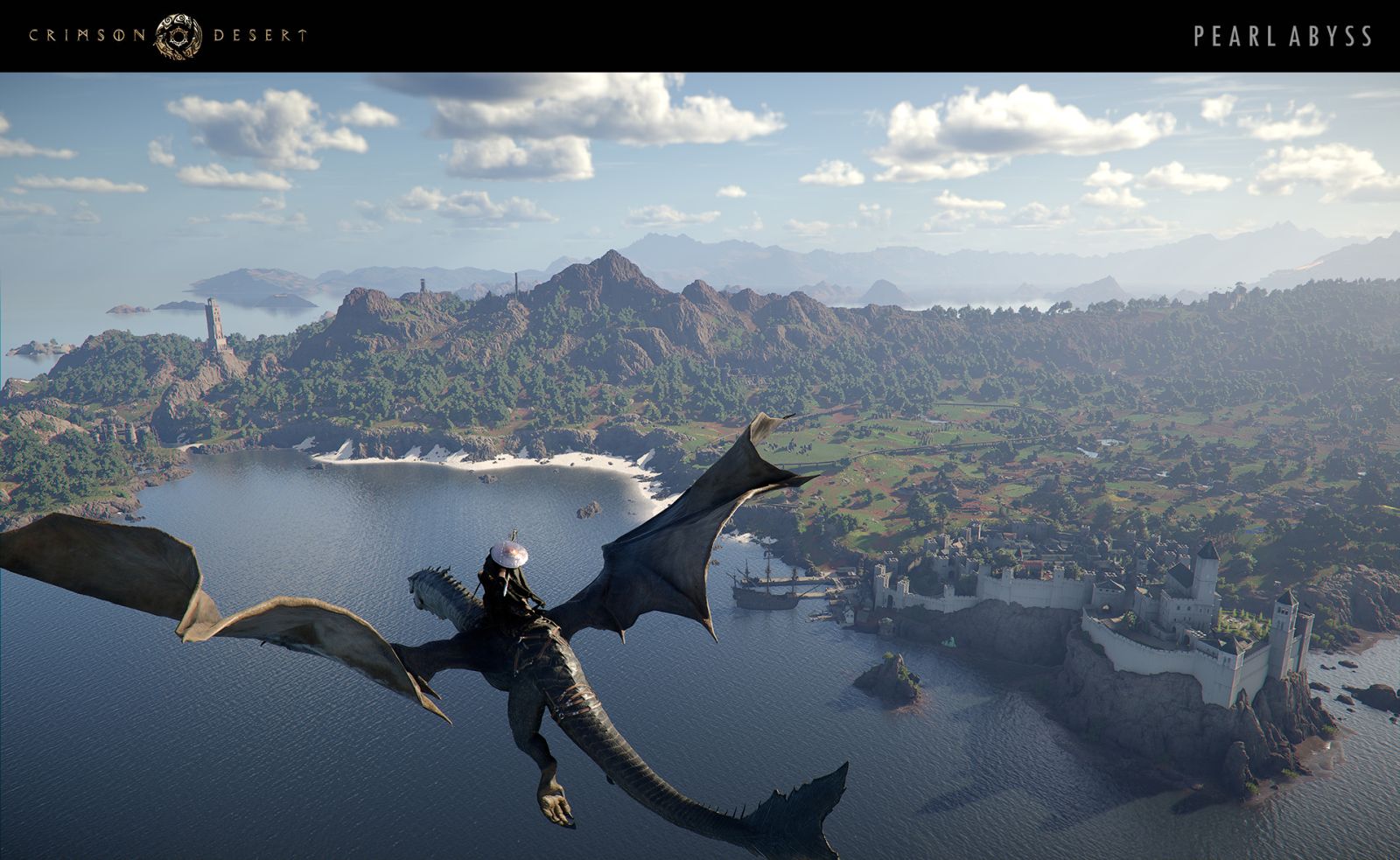
1. Engine Architecture: Build Tech That Matches Your Vision
Pearl Abyss did not rely on pre-existing tools; instead, the team created the proprietary BlackSpace Engine to support expansive environments, dynamic weather, and seamless combat. While building a custom engine might not be practical for student projects, it remains essential to choose or adapt existing engines like Unity or Unreal thoughtfully. Evaluate which features are essential for your game, then customize your engine’s tools and workflows to support, rather than restrict, your creative vision.
Student Takeaway: Make your engine work for your vision.
2. Combat Mechanics: Design for Feel, Not Just Visuals
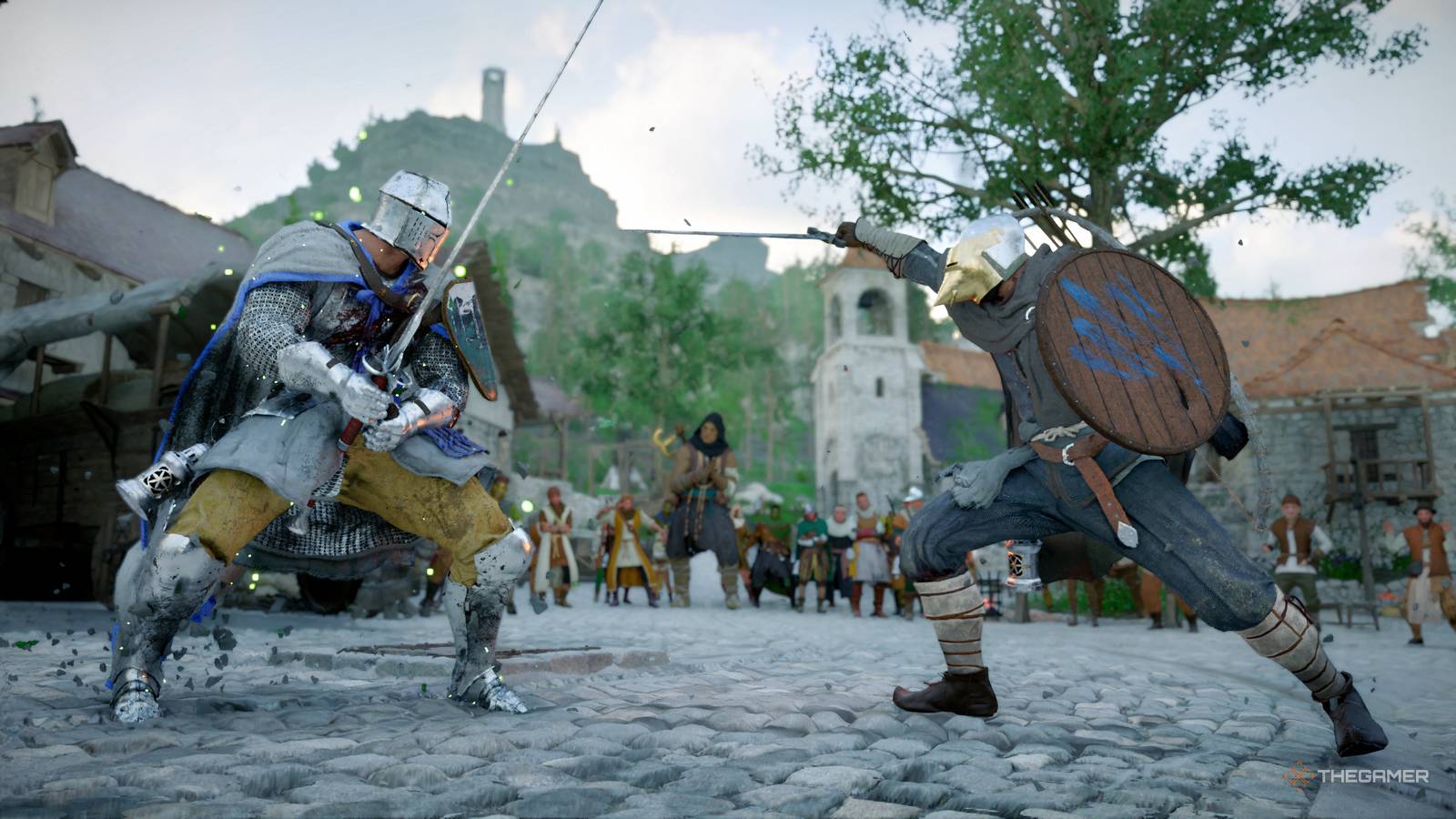
Crimson Desert’s combat stands out for its sense of weight. Every attack connects convincingly, movement choices impact outcomes, and a distinct lack of “floatiness” grounds every action.
This area is where many student projects lose cohesion. While eye-catching animations are easier to achieve, providing a satisfying player experience requires meticulous attention to feedback loops. For example, a strong sound effect or controller vibration when an attack land can dramatically increase impact. Combining animation blending, audio synchronization, camera shake, and finely tuned hit-stop timing create a system where player actions produce immediate, meaningful feedback. These elements ensure players feel their actions matter within the world.
· Animation blending and transitions
· Audio synchronization
· Procedural camera shake
· Hit stop and input timing
Student Takeaway: Nail combat feedback before polishing visuals.
3. Worldbuilding: Prioritize Interaction Over Pretty Maps
The landscapes showcased in the gameplay reveal are visually impressive, but Crimson Desert distinguishes itself with a vibrant, living world. NPCs respond to events, physical interactions influence the environment, and spaces encourage player engagement, helping avoid a static feel.
Student Takeaway: Create worlds that interact, not just impress visually.
4. Project Management: Don’t Rush the Reveal
Crimson Desert experienced a lengthy, occasionally quiet development period marked by delays and limited updates, culminating in a re-emergence with a more refined, polished identity.
Student Takeaway: Reveal only when your core gameplay shines.

5. Creative Direction: Choose Identity Over Imitation
Pearl Abyss could either develop another conventional MMORPG or follow industry trends. Instead, the studio prioritized cinematic storytelling, large-scale single-player combat, and a distinct, gritty atmosphere.
Student Takeaway: Build an original vision, not just another copy.

More for You
The Law Career Guide: Corporate Governance Specialist

How to Talk About Your Skills When You Don’t Have Much Experience...

How to Become the Student Lecturers Actually Remember for the Right Reasons

The Soft Skills Students Keep Saying They Have, But Rarely Prove