Cloud Kitchens, Food Delivery and the New Hospitality Business Model
A student entering hospitality today is not only preparing for hotels, restaurants, cafés or event venues. They are preparing for an industry where a customer’s first impression may come from a delivery app, a menu photo, a review score or an estimated delivery time. The dining room still matters, but it is no longer the only place where hospitality happens.
That is why cloud kitchens and food delivery are worth understanding. They are changing how food brands are built, how menus are designed, how customers experience service and what kinds of careers are opening up in food and beverage. For students interested in hospitality, culinary arts, business, marketing or entrepreneurship, this is not just an industry trend. It is a sign of the skills they may need to build before entering the workplace.
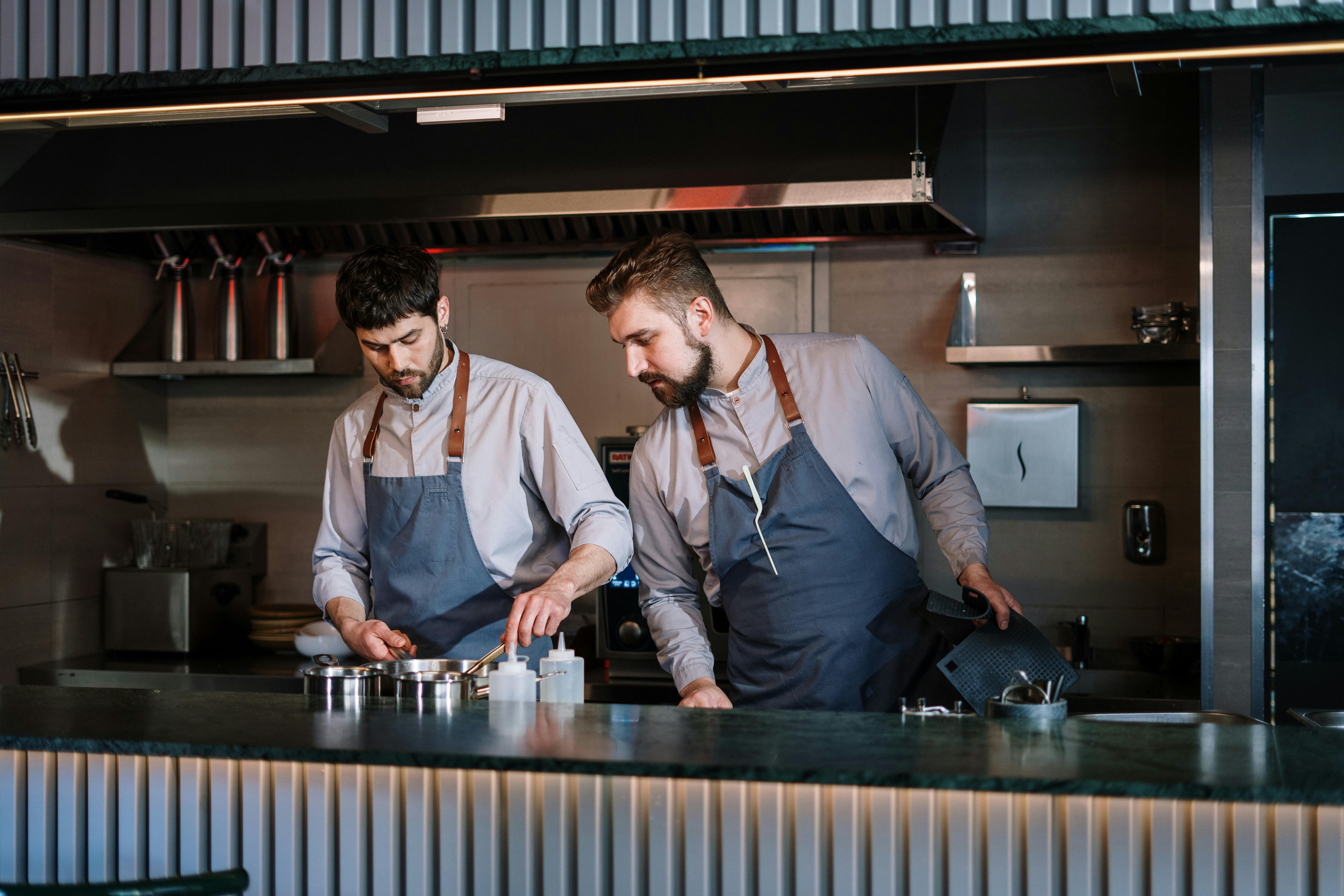
What Is a Cloud Kitchen?
A cloud kitchen is a delivery-focused kitchen that prepares food mainly for online orders, often without a traditional dine-in space. Some cloud kitchens run one brand, while others operate several virtual food brands from the same kitchen. To the customer, these may look like separate restaurants on a delivery app, even if they share the same kitchen, equipment or delivery operations.
This model changes the usual idea of a restaurant. A traditional restaurant depends heavily on location, ambience, service staff, seating and the feeling customers get when they walk in. A cloud kitchen depends more on delivery speed, packaging, platform visibility, menu design, customer reviews and operational efficiency. The food still has to be good, but the way customers judge the business is different.
For students, the main takeaway is simple: hospitality is no longer limited to face-to-face service. A modern F&B experience can happen through an app, a delivery rider, a takeaway box and a customer review.
Why Food Delivery Matters
Food delivery is now a major part of foodservice. Euromonitor reported that delivery accounted for 22% of global foodservice spending in 2025, meaning more than one in five dollars spent in the sector went through delivery. In Asia Pacific, foodservice delivery reached US$303 billion, with its share rising from 16% in 2020 to 22% in 2025. Euromonitor also expects delivery to reach 25% of Asia Pacific foodservice spending by 2030.
Malaysia is part of this shift. The Malaysia foodservice market was valued at USD 14.75 billion in 2025 and is expected to reach USD 30.74 billion by 2031, according to Mordor Intelligence. The same market outlook identifies cloud kitchens as one of the faster-growing foodservice formats in Malaysia, supported by digital ordering and changing consumer habits.
For students, these figures point to real career changes. The industry still needs chefs, service staff, restaurant managers, hotel F&B teams and event caterers. However, it also needs people who understand delivery operations, online menus, digital ordering systems, food photography, app-based promotions, customer reviews, packaging decisions, platform performance and food costing.

How This Changes the Skills Students Need
The first skill is still food quality. A cloud kitchen cannot survive on clever branding if the food is poor, inconsistent or unsafe. Culinary students still need to understand ingredients, preparation, hygiene, taste and consistency. Hospitality students still need to understand service quality, customer expectations, complaint handling and operations.
The difference is that these skills now need to work in a delivery environment. A dish that looks excellent on a plate may not work well in a delivery box. Fried food may lose its texture, sauces may spill, drinks may melt and portion sizes may look less generous after transport. Students need to think about whether the food travels well, whether it can be prepared quickly during peak hours and whether the customer will still feel satisfied when the meal arrives.
The second skill is commercial thinking. Delivery platforms can bring visibility, but they also come with costs. Platform commissions, packaging, discounts, refunds, wasted ingredients and labour can affect margins. A food brand may receive many orders but still struggle if each order is not profitable.
The third skill is digital awareness. In a delivery app, a food brand is often judged within seconds. The customer sees the name, photo, rating, promotion, delivery fee and waiting time. That makes digital marketing part of hospitality. A future F&B professional may need to understand how to position a brand online, choose menu photos, respond to reviews and use promotions without damaging profit.
New Career Opportunities in F&B
Cloud kitchens and food delivery create opportunities across several areas. Culinary students may move into roles such as chef, kitchen supervisor, menu developer, or F&B entrepreneur. In a delivery-led business, these roles require consistency, speed, costing awareness and the ability to design food that survives the delivery journey.
Hospitality students may enter restaurant management, hotel F&B, delivery coordination, quality control, or customer experience. A hotel, for example, may use digital ordering for room service, takeaway options or private events. A restaurant may combine dine-in service with delivery to reach customers beyond its physical location.
Students interested in marketing may move into food branding, social media content, food photography, platform promotions, influencer campaigns, customer review management or digital campaign planning. Food delivery has made marketing more visual and immediate. A strong menu photo or clear brand identity can influence whether a customer chooses one food brand over another.
Students with an entrepreneurial mindset may also find this model useful. Grab’s first GrabKitchen in Malaysia, launched in Desa Sri Hartamas, featured 11 brands in one central location and allowed customers to mix and match meals from different brands while paying one delivery fee. Grab said the model was intended to help growing businesses and independent brands expand with lower capital cost.
That example shows how F&B businesses can now grow through delivery platforms, shared kitchens and digital visibility, not only through traditional storefronts.
The Challenges Students Should Understand
Cloud kitchens are not simply “restaurants without rent.” They have their own challenges. A delivery-focused food business may save on front-of-house costs, but it still has to manage platform fees, packaging, food safety, kitchen workflow, staff training, order accuracy, customer complaints and brand trust.
There is also less control over the final customer experience. Once food leaves the kitchen, the business depends on rider handling, traffic, weather, delivery time and packaging quality. If the food arrives cold, late or damaged, the customer may still blame the food brand. This means the service experience does not end when the order leaves the kitchen. It ends when the customer opens the package and decides whether the meal was worth it.
Trust is another issue. A cloud kitchen without a visible storefront has to work harder to show reliability, food safety and consistency. For students, this is an important reminder that technology does not remove the need for hospitality standards. Hygiene, consistency, reliability and service recovery remain essential.
How Students Can Prepare
Students who want to enter hospitality or F&B should build both traditional and modern skills. The traditional skills include food preparation, hygiene, costing, menu planning, service quality, customer communication and operations. These remain the foundation because no digital platform can save a poorly run food business.
The newer skills include digital marketing, delivery platform awareness, food photography, online customer behaviour, review management, packaging decisions and basic data literacy. Students should learn to ask practical questions: Does this dish travel well? How long does it take to prepare? What does it cost after packaging and platform fees? What would make customers reorder?
This is also where business knowledge becomes important. A student who understands food but not costing may struggle to run a profitable brand. A student who understands service but not digital behaviour may struggle to manage online customers. A student who understands marketing but not operations may create demand the kitchen cannot handle.
The Future Is Hybrid
Cloud kitchens and food delivery are not replacing traditional hospitality. People will still dine in restaurants, attend events, stay in hotels and value face-to-face service. What is changing is how food businesses reach customers.
A modern F&B brand may operate through a restaurant, delivery app, hotel kitchen, catering service, cloud kitchen or a mix of these models. For students, the lesson is clear: hospitality is becoming more flexible, digital and commercially driven.
The industry still needs people who care about food, service and guest experience. It also needs graduates who understand platforms, customer behaviour, costing and business models. The route to the customer may change, but the goal remains the same: delivering an experience people trust, enjoy and return to.


More for You
How to Talk About Your Skills When You Don’t Have Much Experience...

How to Become the Student Lecturers Actually Remember for the Right Reasons

The Soft Skills Students Keep Saying They Have, But Rarely Prove

Your Internship Search Should Not Start With “Dear Sir/Madam”